 -by
-by Understanding the sacred concept of Family in Islam forms the foundation of a healthy, moral, and spiritually connected society. Prioritizing Family in Islam provides believers with clear divine guidelines for love, mutual respect, and legal rights. At Iman School, our certified scholars mentor families across the UAE, UK, and Western countries through comprehensive online Islamic studies programs tailored for all ages.
What Is the Meaning of Family in Islam?
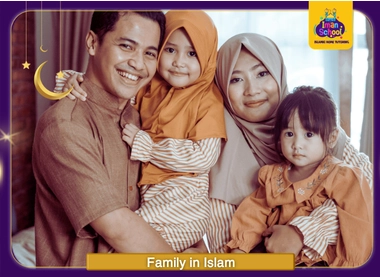
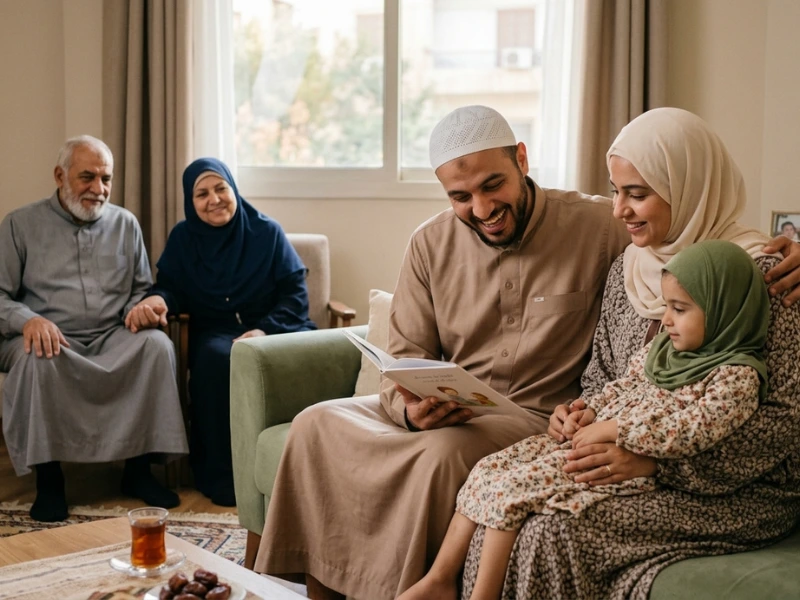
In Islamic teachings, Family in Islam represents the primary brick of human society established through legal marriage (Nikah) and lineage (Nasab). Rather than viewing household life as a mere social contract, Islam elevates family ties to a sacred institution governed by divine love, mercy (Mawaddah wa Rahmah), and shared moral accountability before Allah.
Understanding family life in Islam means recognizing that every home is built upon reciprocal care, spiritual growth, and protection. From immediate household members to extended relatives (Silat al-Rahim), Family in Islam provides every individual with emotional security, physical safety, and ethical direction, ensuring that young and old alike feel cherished and valued.
Explore Now: How to Answer Child’s Questions About Allah
The Importance of Family in Islam
The divine emphasis placed on the importance of family in Islam cannot be overstated. A strong family unit serves as a fortress protecting individuals from societal pressures while nurturing pious, confident future generations.
When looking at the Family in Islam, the Holy Quran and prophetic traditions emphasize that preserving family ties directly impacts one’s faith and standing in the Hereafter. Prophet Muhammad (peace be upon him) linked maintaining ties of kinship to increased blessings, sustained provisions, and longevity. By establishing equity, forgiveness, and open communication at home, families create a peaceful environment that reflects authentic Islamic character.
Core Family Values in Islam
The structural framework of Family in Islam relies on timeless spiritual values that maintain peace and balance across generations:
- Mutual Love and Compassion (Mawaddah wa Rahmah): Spouses and children interact with tenderness, emotional support, and genuine kindness.
- Justice and Equity (Adl): Fulfilling duties fairly without neglect, harshness, or emotional favoritism among siblings.
- Consultation (Shura): Making important household choices collectively through respectful family dialogue.
- Forgiveness and Patience (Sabr): Resolving everyday conflicts with gentleness, restraint, and mutual understanding.
- God-Consciousness (Taqwa): Anchor every domestic choice, daily habit, and social interaction in love for Allah.
Embedding these family values in Islam into daily home routines safeguards households against modern social challenges.
Discover Now: Rewarding Muslim Children for Quran and Salah
Rights and Responsibilities of Family Members
Islam establishes clear rights and responsibilities in an Islamic family, ensuring every member enjoys protection, honor, and designated duties without oppression:
Rights and Responsibilities of Parents
The role of parents in Islam centers on physical protection, emotional nurture, and authentic spiritual guidance. Parents are responsible for providing halal sustenance, safe shelter, and comprehensive education for their offspring. Furthermore, understanding parents’ rights in Islam highlights that children owe their parents deep respect, kindness, and loving care, especially during old age, as commanded directly in the Holy Quran.
Children’s Rights and Duties
The spectrum of children’s rights in Islam begins even before birth—including choosing a pious spouse, granting a beautiful name, and offering equal affection regardless of gender. In return, children are required to show filial piety (Birr al-Walidayn), obey righteous parental instructions, speak with gentle voices, and pray continuously for their parents’ well-being.
Rights and Responsibilities Between Spouses
The sacred union of marriage and family in Islam sets complementary duties between husband and wife. The husband provides financial maintenance (Nafaqah), protection, and compassionate leadership. The wife manages home affairs with wisdom, supports her husband, and fosters an atmosphere of peace and mutual affection, creating a balanced partnership built on trust.
Nurturing these family relationships in Islam ensures balance, mutual respect, and household harmony.
Keep Reading: Dua for Children
The Role of Family in Islamic Education
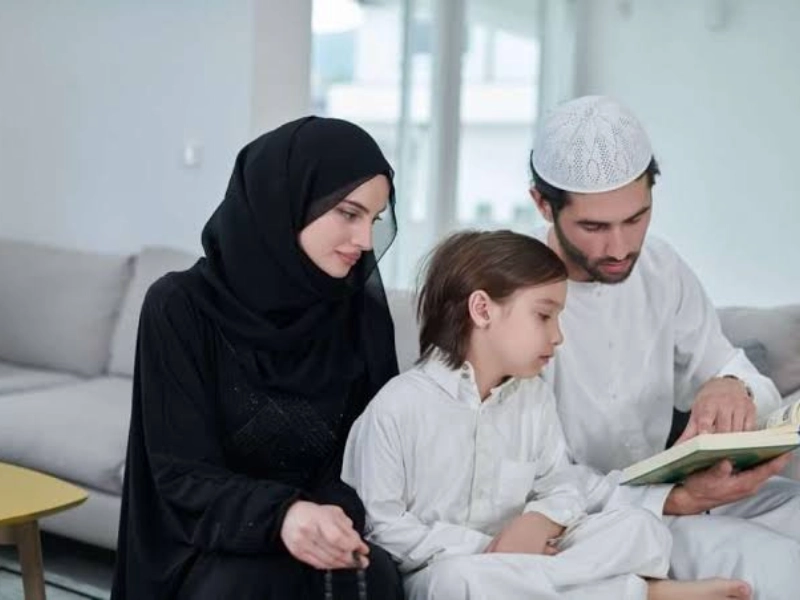
The household serves as the child’s very first classroom, where core spiritual habits and ethical manners are formed. Focusing on raising children in Islam involves introducing daily supplications (Duas), basic prayer routines (Salah), and Quranic recitation at an early age.
While parents lead by personal example at home, supplementing domestic upbringing with structured online programs helps solidify authentic knowledge. At Iman School, our patient tutors assist parents by teaching children Arabic reading, Tajweed rules, and foundational Islamic studies, reinforcing the moral values taught within the home.
Have Questions? We’re Here to Help!
Whether you want to book a session or need more details about our courses, our team is ready to assist you instantly.
Join our global community of learners today.
How to Build Strong Family Relationships According to Islam
Strengthening household bonds in modern times requires intentional daily effort aligned with prophetic wisdom:
- Pray Together as a Family: Establish congregational prayer (Jama’ah) at home to invite divine light and harmony into your living space.
- Dine and Talk Daily: Gather around the dining table without digital distractions to discuss daily events, share meals, and build trust.
- Read Quran Together: Dedicate 15 minutes daily to recite, listen to, and discuss the Holy Quran as a household.
- Practice Forgiveness: Express gratitude often and apologize quickly whenever mistakes occur to keep hearts clean.
- Enroll in Family Learning: Study Islamic history, prophetic Seerah, and jurisprudence together to deepen shared faith.
Consistently nurturing the Family in Islam using these strategies establishes a tranquil, faith-filled home environment.
Read Also: Teaching Children to Speak the Truth
Quranic Verses About Family
The Holy Quran contains numerous verses guiding family dynamics, rights, and marital harmony:
- Marital Harmony: “And among His Signs is this, that He created for you mates from among yourselves, that ye may dwell in tranquility with them, and He has put love and mercy between your (hearts)…” (Surah Ar-Rum, 30:21)
- Parental Honor: “And your Lord has decreed that you worship not except Him, and to parents, good treatment. Whether one or both of them reach old age [while] with you, say not to them [so much as], ‘uff,’ and do not repel them but speak to them a noble word.” (Surah Al-Isra, 17:23)
- Family Supplication: “Our Lord, grant us from among our wives and offspring comfort to our eyes and make us an example for the righteous.” (Surah Al-Furqan, 25:74)
Reflecting on these divine commands reinforces the sacred standing of Family in Islam.
Continue Reading: Islamic Manners for Kids
FAQ About Family in Islam
What is the concept of family in Islam?
The Family in Islam is a divine institution established through marriage and blood ties, built upon mutual love, legal protection, moral responsibility, and shared worship.
Why is family important in Islam?
Family provides the primary shelter for emotional security, moral upbringing, and faith preservation, serving as the foundational building block of a healthy society.
What are the main rights of parents in Islam?
Parents hold the right to utmost respect, gentle speech, financial support in old age, obedience in non-sinful matters, and sincere supplications after their passing.
What are the rights of children in Islam?
Children have the right to halal provisions, a good name, proper Islamic education, emotional affection, and equal treatment without gender discrimination.
How does Islam encourage family unity?
Islam strongly emphasizes keeping ties of kinship (Silat al-Rahim), practicing mutual forgiveness, consulting family members, and praying together at home.
How can online classes support family Islamic education?
Online classes at Iman School offer flexible, one-on-one virtual lessons in Quran, Tajweed, and Fiqh, allowing kids and parents to learn authentic Islamic knowledge from home.
Teach Your Family Islamic Values with Iman School
Partnering with Iman School ensures your household receives authentic Islamic education, flexible scheduling, and dedicated scholarly mentorship. Removing geographic barriers allows kids and parents across the UAE, UK, and Western nations to master Quranic reading, Tajweed, and Fiqh comfortably from home.
At Iman School –Islamic Values Academy for Kids– our certified tutors are passionate about helping households understand the sacred rights and duties of Family in Islam. Every scholar on our faculty is carefully vetted to guarantee supportive, engaging, and age-appropriate instruction.