 -by
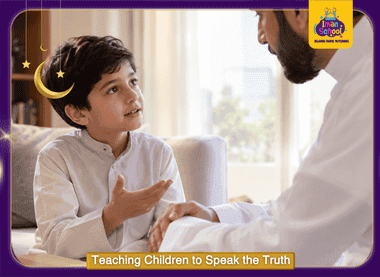
-by Focusing on Teaching Children to Speak the Truth forms the cornerstone of strong Islamic character development in young minds. Prioritizing Teaching Children to Speak the Truth helps parents nurture honest, compassionate, and trustworthy youth. At Iman School, our certified tutors guide kids toward authentic prophetic values, making moral instruction engaging and natural from home.
Why Is Truthfulness Important for Muslim Children?
In Islam, truthfulness (Sidq) is far more than a social courtesy; it is a foundational pillar of faith. The Holy Quran explicitly commands believers to maintain truthfulness and align themselves with honest company. Similarly, Prophet Muhammad (peace be upon him) taught that truthfulness leads to righteousness, and righteousness leads to Paradise.
For young learners, teaching children honesty lays the groundwork for personal integrity, strong family trust, and sincere worship. When parents emphasize honesty in Islam for kids, they help their children understand that Allah sees all actions and loves those who speak with sincerity.
Building this moral core early shields youth from deceptive habits while fostering genuine self-confidence as they navigate modern Western environments.
Explore Now: How to Answer Child’s Questions About Allah
10 Tips for Teaching Children to Speak the Truth
Parenting with intention requires practical, compassionate strategies. Here are ten actionable tips for teaching kids to tell the truth effectively:
1- Be Honest With Your Child
Children observe their parents constantly. If a child sees a parent make false excuses or tell minor “white lies” to neighbors or friends, they absorb that dishonesty is acceptable. Teaching Children to Speak the Truth begins by modeling complete transparency in your own daily speech, promises, and interactions.
2- Explain Why Telling the Truth Matters
Rather than simply commanding “do not lie,” take time to explain the deeper moral purpose. Help your child realize that honesty builds trust, protects relationships, and earns Allah’s love. When discussing Islamic teachings about honesty, highlight how truthfulness brings tranquility to one’s heart, whereas dishonesty creates hidden fear and guilt.
3- Make It Safe to Tell the Truth
If a child knows that admitting a mistake guarantees immediate harsh punishment, fear will drive them toward dishonesty. Teaching Children to Speak the Truth requires creating a home environment where admitting an error reduces severity rather than increasing anger. Show your child that honesty is always rewarded with safety and understanding.
4- Praise Your Child for Being Honest
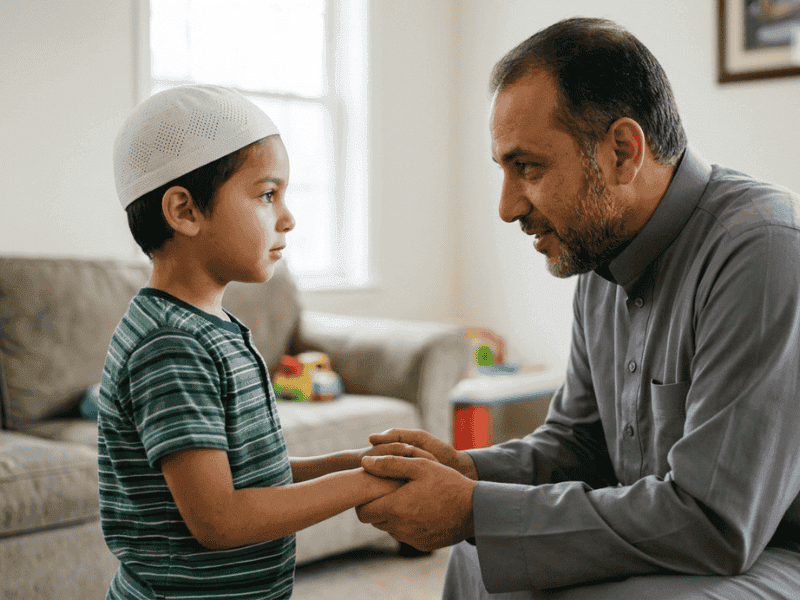
Whenever your child admits a mistake, especially when doing so is difficult or embarrassing, explicitly praise their courage. Reaffirm their integrity by saying, “Thank you for being honest with me; I am so proud that you spoke the truth.” Positive reinforcement solidifies teaching truthfulness to children far better than constant criticism.
Discover Now: Rewarding Muslim Children for Quran and Salah
5- Stay Calm When Your Child Makes a Mistake
When your child breaks something or forgets a household rule, maintain emotional control. Screaming or reacting with extreme anger instantly triggers a child’s self-defense mechanisms. Focusing on teaching children to speak the truth means taking deep breaths, speaking with a gentle voice, and prioritizing problem-solving over emotional outbursts.
6- Teach the Difference Between a Mistake and a Lie
Young children frequently mix up imaginative storytelling, accidental misremembering, and deliberate deception. Understanding how to teach children honesty involves gently helping your child differentiate between an innocent mistake and an intentional lie. Clarifying this distinction prevents unnecessary guilt while building accurate moral awareness.
7- Use Stories About Truthfulness
Children absorb moral values naturally through storytelling. Share inspiring accounts from the Seerah, such as how Prophet Muhammad (peace be upon him) earned the title Al-Amin (The Trustworthy) long before prophethood due to his absolute honesty. Utilizing engaging narratives is one of the most effective methods for teaching good manners to children.
8- Teach Honesty Through Everyday Situations
Turn minor household mishaps, like a spilled glass of milk or unfinished homework, into practical teaching moments. Use real-life events to practice how to teach kids to be honest without making them feel cornered. Show them how admitting a mistake immediately allows everyone to resolve the issue together quickly.
9- Avoid Calling Your Child a “Liar”
Labeling a child as a “liar” damages their self-image and creates a negative self-fulfilling prophecy. When addressing dishonesty, separate the child’s personal identity from their behavior. Instead of saying “You are dishonest,” frame the conversation around the action: “That statement was not true, and we always speak the truth in our family.”
Keep Reading: Dua for Children
10- Connect Truthfulness to Islamic Character
Remind your child that speaking the truth connects directly to their identity as a Muslim. Explain that honesty reflects love for Allah and Prophet Muhammad (peace be upon him). Integrating Islamic values for children into daily home conversations transforms honesty from a household rule into an inspiring act of worship.
Consistently applying these guidelines for Teaching Children to Speak the Truth builds lasting trust between parents and children.
How Should Parents Respond When a Child Lies?
Discovering that your child has understated facts or manufactured a story can feel alarming, but your reaction determines whether they learn honesty or become more discreet with future misbehavior.
When evaluating how to stop children from lying, follow these compassionate steps:
- Stay Calm: Take a pause before reacting so you can respond with wisdom rather than anger.
- Ask What Happened: Give your child an opportunity to explain the situation without trapping them in a trick question.
- Give a Second Chance: Say gently, “I will give you two minutes to think, and then you can share the exact truth with me.”
- Explain Why the Truth Matters: Reiterate that while the mistake itself can be fixed, dishonesty damages trust.
- Address the Mistake Separately: Deal with the broken rule or spilled item calmly after celebrating their decision to tell the truth.
- Praise Honesty When Admitted: Reaffirm your love and respect for your child the moment they speak truthfully.
Continue Reading: Tashahhud in Prayer
Islamic Ways to Teach Children Honesty
Incorporating Islamic Manners for Kids into your parenting routine ensures moral lessons resonate deeply. Prophet Muhammad (peace be upon him) placed extreme importance on keeping promises to children, warning parents never to promise a child a small treat or gift without fulfilling it, as doing so teaches them dishonesty.
Furthermore, integrating Islamic Values for Children through routine Quranic reflection reinforces moral choices. Showing children how Allah loves those who act with sincerity (Ikhlas) helps them build an internal moral compass that guides them when parents are not present.
By embedding Teaching Children to Speak the Truth within prophetic ethics, parents raise confident youth who take pride in their Islamic heritage.
FAQ About Teaching Children to Speak the Truth
How do you teach a child to tell the truth?
Model complete honesty in your actions, create a safe environment free of harsh reactions, and praise their courage whenever they admit mistakes.
How can I teach my child honesty?
Combine consistent daily modeling, stories from the Seerah, gentle discipline, and clear explanations of why truthfulness matters in Islam.
Why is it important for children to tell the truth?
Truthfulness builds personal integrity, secures family trust, protects youth from deceptive habits, and earns divine love in Islam.
What does Islam say about teaching children honesty?
Islam considers truthfulness a foundational virtue leading to righteousness, explicitly warning parents against making false promises to children.
How should parents respond when a child lies?
Parents should remain calm, offer the child a chance to correct their statement, address the mistake constructively, and praise eventual honesty.
Should you punish a child for lying?
Focusing on logical consequences and lost trust is far more effective than aggressive physical or emotional punishments, which only increase fear-based lying.
How do you encourage a child to be honest?
Reward honest confessions with reduced consequences and vocal appreciation, ensuring the child feels safe speaking truthfully.
Why do children lie?
Children primarily lie out of fear of harsh punishment, a desire to avoid disappointing parents, peer pressure, or an overactive imagination.
How can Islamic stories teach children honesty?
Stories about the Prophet’s title Al-Amin and noble companions illustrate the real-world beauty and spiritual honor of staying truthful.
How can I stop my child from lying?
Shift your parenting focus from severe punishment to building open trust, logical consequences, and positive reinforcement for truthfulness.
See More: What Are the Five Pillars of Islam
Teach Your Child Islamic Values With Iman School
Enrolling your young ones in structured Islamic Education for Kids helps solidify core values like truthfulness, respect, and God-consciousness. At Iman School, our certified tutors make learning prophetic manners, Quranic recitation, and Islamic history engaging and accessible for Western-raised youth.
Our specialized programs in Teaching Children to Speak the Truth and practicing daily etiquette pair interactive digital tools with gentle, individual mentorship. We provide a supportive virtual setting where children ask questions freely, build strong moral habits, and fall in love with their faith.