 -by
-by Discovering the profound depth of What Are the Islamic Sciences is the ultimate first step toward transforming your personal understanding of your faith. For Muslims living in Western societies, gaining structured clarity about these traditional disciplines builds immense spiritual confidence. At Iman School, our specialized virtual modules ensure you master What Are the Islamic Sciences easily right from home.
What Are the Islamic Sciences?
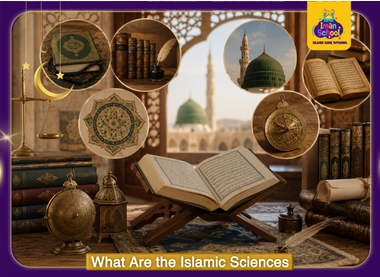
To fully grasp the magnificent intellectual heritage of the Muslim world, we must first dive deeply into the central question: what are the islamic sciences?
In simple terms, these disciplines represent a beautifully organized, highly systematic framework of sacred knowledge designed to preserve, interpret, and apply divine revelation accurately across generations. They provide the necessary methodologies to understand the Holy Quran and the Prophetic traditions without falling into personal whim, historical error, or cultural misinterpretation.
When people first explore islamic studies, they often realize that what are the islamic sciences goes far beyond general religious reading. This vast intellectual ocean consists of highly rigorous academic fields, each possessing its own strict foundational rules, specialized vocabulary, and traditional criteria for validation.
Investigating what are the islamic sciences helps you realize that Islamic scholarship has spent centuries building a solid, logical wall of protection around our beliefs, laws, ethics, and language, ensuring the pristine message of Islam remains beautifully preserved and accessible.
Why Are the Islamic Sciences Important for Every Muslim?
Living in a fast-paced, highly secularized Western environment presents unique cultural, philosophical, and ethical challenges for Muslim families. Actively learning what are the islamic sciences provides you and your growing children with an unshakeable intellectual shield.
It shifts your daily religious experience from merely inheriting traditions blindly to practicing your faith with deep, conscious conviction based on authentic, verifiable evidence.
Furthermore, realizing what are the islamic sciences and their internal logic allows you to navigate complex contemporary moral dilemmas with absolute clarity. Instead of feeling confused by shifting modern trends, a solid foundation in these branches of islamic sciences grounds your heart in timeless prophetic wisdom.
By prioritizing islamic education, you transform your household into a vibrant space of spiritual clarity, protecting your family from ideological confusion and strengthening their identity.
The Difference Between Islamic Sciences and General Islamic Knowledge
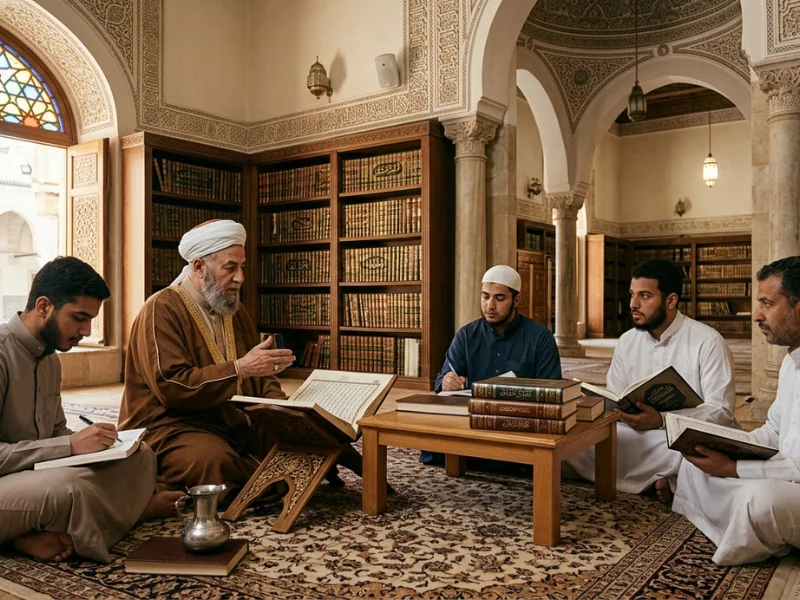
It is quite common for beginners to confuse highly formal islamic sciences with basic, everyday religious awareness. General religious knowledge includes the fundamental daily practices that every practicing Muslim must know to perform their basic worship, such as knowing the prayer times, basic values, or reading translated verses. It is essential, but it doesn’t require a deep dive into advanced academic methodologies.
On the flip side, looking at what are the islamic sciences reveals a sophisticated level of analytical scholarship. While general knowledge tells you what a rule is, the types of islamic sciences explain exactly how that rule was systematically derived from the source texts, what linguistic principles were applied, and how authentic narrations were verified.
Understanding this crucial distinction highlights why joining a structured academy like Iman School is so vital for moving past surface-level assumptions and gaining true, systematic islamic knowledge.
10 Essential Islamic Sciences Every Muslim Should Know
To properly answer what are the islamic sciences, we must break down the core disciplines that form this magnificent intellectual architecture. Let’s look at the ten foundational fields that every student should explore.
1- Quran Studies (Ulum al-Quran)
This essential field focuses entirely on the history, compilation, and preservation of the holy text. When looking into what are the islamic sciences, Ulum al-Quran teaches you how the verses were revealed, the contexts behind them, and the miraculous structural rules of the Quranic text itself.
2- Tafsir (Quran Interpretation)
Tafsir is the systematic science of unlocking the deep, contextual meanings of the Quranic verses. It prevents people from making dangerous personal guesses about Allah’s word by utilizing strict linguistic, historical, and prophetic criteria to explain what the text is communicating to mankind.
3- Hadith Studies
Hadith Studies: This incredibly rigorous science evaluates the chains of narrators who passed down the statements, actions, and approvals of the Prophet Muhammad ﷺ. It separates authentic narrations from weak or fabricated ones with scientific precision, serving as a core pillar when analyzing what are the islamic sciences.
4- Aqeedah (Islamic Creed)
Aqeedah outlines the definitive core theological beliefs of a Muslim, detailing the foundational pillars of faith—such as the attributes of Allah, prophethood, angels, holy books, destiny, and the afterlife. It keeps your core worldview completely sound and secure from philosophical deviance.
5- Fiqh (Islamic Jurisprudence)
Fiqh focuses on the practical, everyday legal rulings that govern human actions, detailing how to properly perform prayers, manage business transactions, execute marriages, and handle inheritance. It answers the practical side of what are the islamic sciences by showing how to live right daily.
6- Seerah (Biography of the Prophet ﷺ)
The Seerah is the detailed chronological study of the blessed life of the Prophet Muhammad ﷺ. It provides the essential human context needed to see how the abstract principles of the Quran were perfectly lived out in reality, serving as a profound source of moral inspiration.
7- Tajweed
Tajweed is the precise science governing the pronunciation and articulation of the Arabic letters while reciting the Holy Quran. It ensures that you pronounce every single syllable exactly the way it was revealed to the Prophet ﷺ, preserving the phonetic beauty and linguistic accuracy of the text.
8- Arabic Language for Islamic Studies
You cannot fully appreciate what are the islamic sciences without mastering the linguistic vehicle that carries them. This science covers classical grammar (Nahw), morphology (Sarf), and rhetoric (Balagha), allowing students to access primary source materials directly without needing a translation.
9- Usul al-Fiqh (Principles of Islamic Jurisprudence)
This advanced discipline outlines the exact methodology, rules of logic, and analytical toolkits that scholars use to extract legal rulings from the raw evidence found in the Quran and Sunnah, explaining the brilliant legal philosophy behind the practical laws of Fiqh.
10- Islamic Ethics and Character (Akhlaq)
This beautiful field focuses entirely on purifying the internal heart and developing noble external manners. When examining what are the islamic sciences, Akhlaq ensures that academic knowledge never becomes arrogant, transforming your learning into humility, mercy, honesty, and deep spiritual devotion.
How to Start Learning Islamic Sciences?
Taking your very first steps into this grand tradition can feel slightly intimidating if you do not have a clear, realistic, and organized roadmap. The golden rule when trying to learn islamic sciences is to always start with the absolute basics before attempting to leap into advanced, highly technical classical debates.
Focus your initial energy on building a clean, strong foundation in core theology, basic daily jurisprudence, and correct scriptural recitation.
Furthermore, trying to navigate what are the islamic sciences entirely on your own through random web searches often leads to deep confusion, isolated views, or total burnout. The prophetic method of learning has always relied on direct companionship with qualified teachers who can break down complex ideas into simple, bite-sized lessons.
Approaching the material with regular patience, consistent weekly study habits, and a sincere heart turns your educational journey into a smooth and deeply fulfilling spiritual experience.
Can You Learn Islamic Sciences Online?
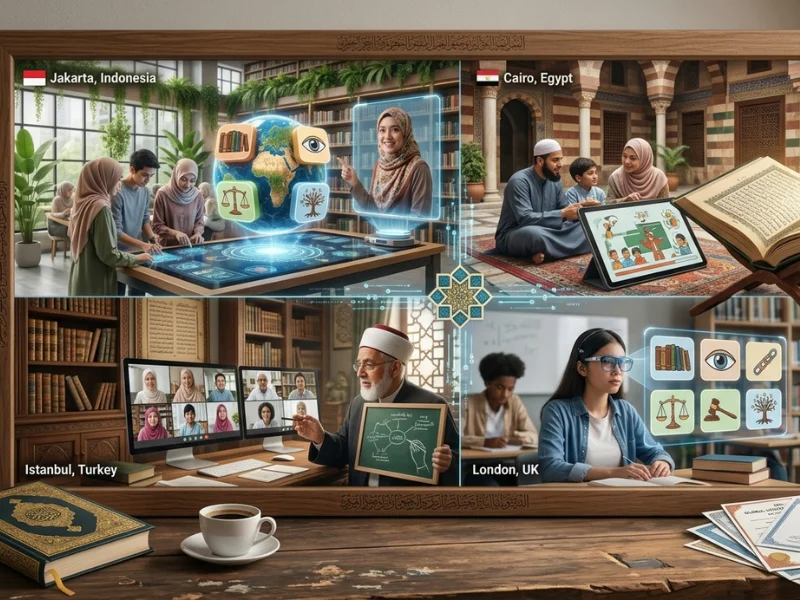
In our modern digital era, access to sacred knowledge has become incredibly easy and flexible. If you are wondering whether you can truly understand what are the islamic sciences through digital platforms, the answer is a resounding yes—provided you select a structured, interactive academy rather than relying on prerecorded, unmonitored videos.
Enrolling in an elite virtual program allows you to study under globally recognized scholars without needing to travel across the world or compromise your professional career in the West.
This modern approach provides interactive, real-time virtual classrooms where you can comfortably ask complex questions, engage in fruitful class discussions, and receive personalized feedback on your assignments, bringing the traditional atmosphere of classical learning centers directly into your living room.
Ready to explore the beautiful depths of traditional Islamic scholarship with expert guidance? Click here to book your Free Trial Lesson at Iman School today
FAQ About Islamic Sciences
Which Islamic science should I learn first?
Beginners should always prioritize learning basic Aqeedah (theology) to secure their core beliefs, alongside basic Fiqh (jurisprudence) to ensure their daily prayers and purification are completely correct.
What is the difference between Fiqh and Aqeedah?
Aqeedah deals entirely with internal belief systems, faith, and theology, while Fiqh focuses on practical external actions, legal rulings, and how to perform your daily worship and worldly transactions.
Can beginners learn Islamic sciences online?
Yes, absolutely! Utilizing an interactive online islamic studies platform allows absolute beginners to access structured, step-by-step guidance from expert teachers tailored to their current knowledge level.
Why is Arabic important for Islamic sciences?
Arabic is vital because it is the original language of divine revelation; understanding it allows you to engage with primary source materials directly and appreciate the linguistic nuances of quran and islamic studies.
How long does it take to study Islamic sciences?
Gaining a basic, practical understanding takes a few months of consistent study, but mastering these complex academic fields deeply is a beautiful, lifelong journey of learning and spiritual growth.
The Best Online Islamic Studies Academy
Embarking on a journey to fully understand what are the islamic sciences is a profoundly noble choice that brings immediate peace, intellectual confidence, and spiritual light to your life.
While self-study reference books offer excellent starting points, mastering advanced academic methodologies and protecting your family’s faith requires the systematic guidance of professional mentors. At Iman School, we are incredibly proud to stand out globally as the premier Best Online Islamic Studies Academy for modern Western communities.
Our elite platform features the most engaging, beautifully organized Online Islamic Studies Courses, designed to make deep traditional concepts simple, clear, and highly practical for students of all ages.
We selectively recruit our instructors for the Best Academy for Islamic Sciences based on their exceptional English fluency, profound academic credentials, and warm, encouraging teaching styles. Through our tailored virtual sessions, we ensure your family can easily learn islamic sciences online at a pace that fits smoothly into your busy modern schedule.