 -by
-by Discovering why Arabic is known as the Language of Dhad reveals the rich linguistic heritage of the Arabic language. The title Language of Dhad highlights the technical mastery required to pronounce its distinct sounds. At Iman School, our expert native teachers help non-native learners master complex letters through interactive, online instruction.
Why Is Arabic Called the Language of Dhad?
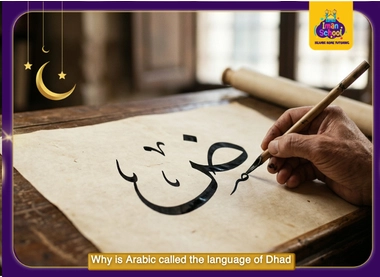
The phrase why is arabic called the language of dhad refers to the deep cultural, historical, and linguistic pride Arab speakers connect with the Arabic letter ض. Historically, classical linguists and poets identified the unique sound of Dhad (ض) as a defining symbol of Arabic eloquence.
Throughout centuries of literature, poets celebrated Arabic as the language of dhad, pointing to this specific letter as a badge of linguistic identity.
While modern phoneticians note that similar phonetic sounds exist in a few isolated global dialects, Arabic remains the only major world language where Dhad forms a core structural element across the entire Arabic alphabet.
For anyone seeking to learn, understanding the cultural weight of the language of dhad makes studying Arabic pronunciation an exciting, rewarding experience.
5 Key Facts About the Arabic Letter Dhad
To appreciate why Arabic is celebrated as the language of dhad, it helps to examine the mechanics, history, and significance of this famous letter across five key areas:
1- What Is the Letter Dhad (ض)?
The letter dad in Arabic is the 15th letter of the Arabic alphabet. Written as ض, it shares its basic visual shape with the letter Sad (ص), distinguished by a single dot placed on top. Phonetically, it represents an emphatic, voiced alveolar or denti-alveolar plosive/fricative sound that demands precise mouth positioning.
2- Why Is Dhad Unique to Arabic?
The title Arabic language of Dhad became famous because early Arab grammarians, such as Al-Khalil ibn Ahmad and Sibawayh, identified Dhad as exceptionally challenging for non-Arabs to articulate. While isolated speech sounds resembling Dhad appear in rare regional languages, no other major international language incorporates Dhad as a fundamental, recurring sound across its core vocabulary.
Explore Now: Daily Arabic Phrases | Easy Guide for Beginners
3- How Was Dhad Pronounced Historically?
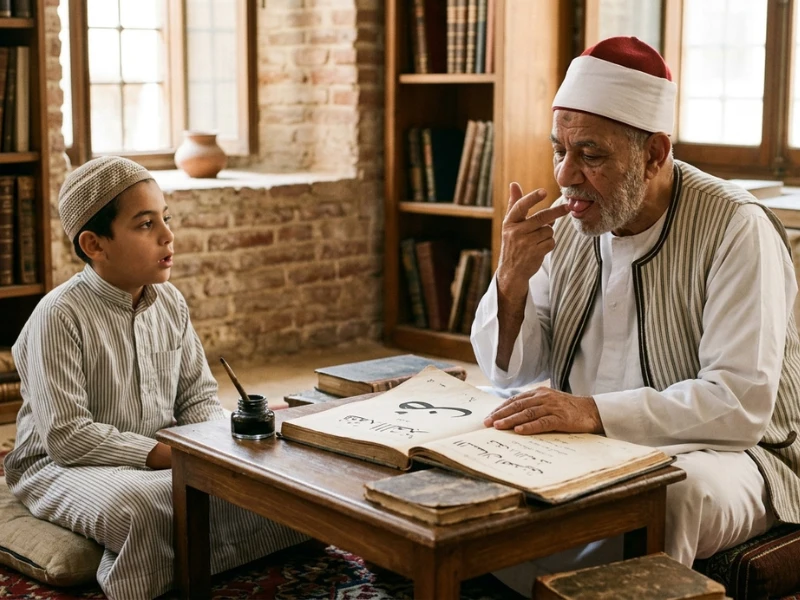
Classical Arab linguists described the historical pronunciation of ض as a voiced lateral fricative. Ancient speakers articulated the letter by pressing the side edge of the tongue against the upper molars. This unique lateral sound made the language of dhad distinct even among ancient Semitic dialects, laying the groundwork for early poetry and classical Tajweed rules.
4- How Is Dhad Pronounced in Modern Arabic?
In Modern Standard Arabic (Fusha), the how to pronounce dhad method has evolved into a heavy, emphatic “D” sound ([dˤ]). To produce it, the front and sides of the tongue touch the roof of the mouth behind the teeth while expanding the back of the throat, giving the letter its characteristic deep, resonant tone.
5- Why Is Dhad Important for Arabic Learners?
For students enrolled in an Arabic Course for Beginners, mastering Dhad is essential. Because swapping Dhad with similar-sounding letters like Dal (د) or Dha (ظ) can completely change the meaning of a word, grasping the language of dhad correctly ensures clear communication and accurate Quranic recitation.
How to Pronounce Dhad (ض) Correctly?
Mastering Arabic pronunciation for heavy letters requires practice, vocal awareness, and guided correction from a tutor. To pronounce Dhad correctly, place the side edge of your tongue against your upper side teeth while keeping your jaw relaxed, and release a deep, emphatic sound from the back of your throat.
Here are four common vocabulary words showcasing Dhad in everyday speech:
- ضوء (Dhaw’) — Light: Notice the heavy, deep opening sound compared to a light “D”.
- أرض (Ard) — Earth: A foundational word where Dhad appears as a strong, resonant ending letter.
- رمضان (Ramadan) — Ramadan: The sacred ninth month of the Islamic calendar, featuring Dhad right in the center.
- مرض (Marad) — Illness: A clear example demonstrating how ending letters shape word cadence in the language of dhad.
When taking an Arabic Pronunciation Course, repeating these example words with a live instructor builds strong muscle memory for proper articulation.
Common Mistakes When Pronouncing Dhad
Because the sound is foreign to many Western speech patterns, non-native speakers often struggle when attempting Dhad. Recognizing these common pitfalls helps learners refine their skills faster:
- Confusing ض with ظ (Dha): A very common mistake is slipping the tip of the tongue between the front teeth, turning Dhad into a “Z” or soft “Th” sound (ظ).
- Confusing ض with د (Dal): Pronouncing Dhad as a light English “D” deprives the letter of its heavy, emphatic resonance (Tafkheem).
- Confusing ض with ز (Zay): Substituting Dhad with a buzzing “Z” sound distorts the word completely.
- Over-straining the Throat: Constricting the throat muscles too tightly creates an unnatural, harsh sound rather than a clean, deep tone.
Enrolling in targeted Online Arabic Classes with qualified instructors eliminates these errors early through real-time vocal feedback.
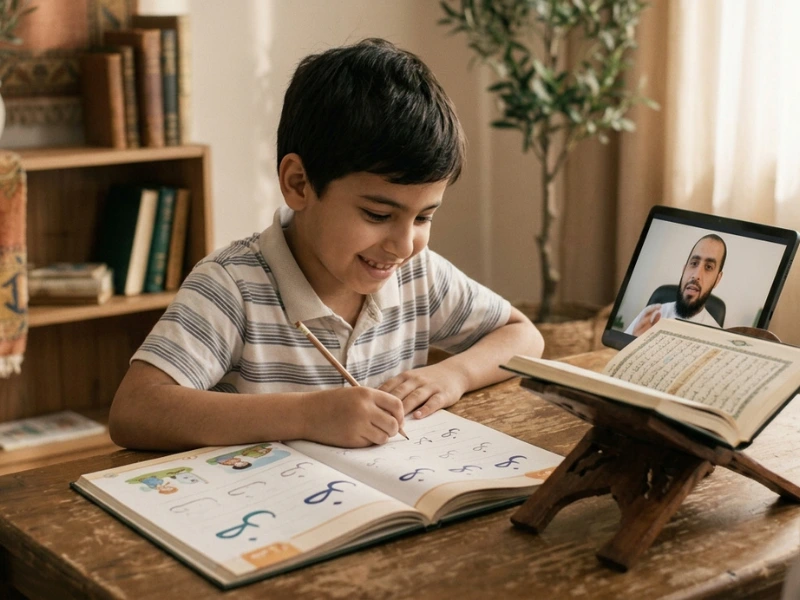
Start your journey toward mastering the language of dhad today. Visit our platform to sign up for a zero-obligation Free Trial Class, and experience how Iman School helps you achieve fluent Arabic pronunciation.
FAQ About the Language of Dhad
Why is Arabic called the language of Dhad?
Arabic is called the language of dhad because early Arab scholars identified the letter Dhad (ض) as a defining feature of the language that was uniquely difficult for non-Arabs to pronounce correctly.
What does Dhad mean in Arabic?
Dhad (ض) is the name of the 15th letter of the Arabic alphabet. It does not hold an independent standalone definition on its own, but serves as a foundational consonant in thousands of Arabic words.
How do you pronounce the Arabic letter Dhad?
You pronounce Dhad by pressing the side or tip of your tongue against the upper teeth ridge and molars while creating an emphatic, heavy sound from the back of the mouth.
Discover Now: Arabic Numbers 1 to 10 for Beginners
Is Dhad unique to Arabic?
While isolated phonetic variants exist in a few obscure regional dialects, Arabic is the only major world language that uses Dhad systematically across its formal writing and daily speech.
Why is Dhad difficult for Arabic learners?
Dhad is challenging for non-native learners because its emphatic, side-tongue articulation point does not exist in English or European languages, requiring new vocal muscle habits.
Keep Reading: Best Books to Learn Arabic
Learn Arabic Pronunciation with Expert Teachers at Iman School
Unlocking the beauty of the language of dhad opens the door to understanding rich literature, connecting with global cultures, and reading sacred texts with confidence. Gaining confidence in Arabic articulation requires structured guidance, clear explanations, and regular conversation practice.
When looking for a platform to help you or your family master the Arabic language, Iman School stands out as the Best Online Arabic Academy. Our virtual programs cater directly to Western students, providing engaging, step-by-step pathways for all learning goals and ages.
At Iman School, you can choose from specialized options including:
- Learn Arabic Online: Complete comprehensive conversational and grammar tracks tailored to your goals.
- Arabic for Non-Native Speakers: Beginner-friendly instruction focused on practical communication skills.
- Learn Arabic Letters: Foundational courses designed to build alphabet mastery and writing skills.
- Arabic Lessons for Adults: Flexible one-on-one sessions structured around busy work schedules.
- Arabic Classes for Kids: Interactive visual sessions that make learning fun for young minds.
- Quranic Arabic Course: Learn to understand Quranic vocabulary and classical grammar directly.
- Learn Quranic Arabic Online: Master classical reading fluency and Tajweed rules under certified scholars.