 -by
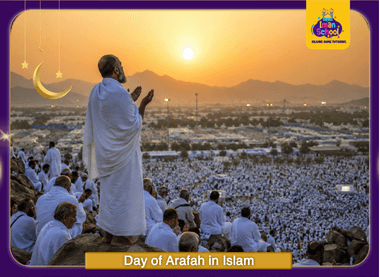
-by The Day of Arafah is widely recognized as the most spiritually significant and rewarding day of the entire Islamic calendar. For Muslims living in Western countries, balancing professional schedules while capturing these divine blessings requires a strategic approach. At Iman School, we offer specialized programs to help you optimize your worship during this sacred period.
What Is the Day of Arafah in Islam?
To understand the deep spiritual weight of this occasion, one must first look at the meaning of the Day of Arafah. This blessed day falls on the 9th day of Dhul-Hijjah, which is the final month of the Islamic lunar calendar. It represents the absolute pinnacle of the annual Hajj pilgrimage and serves as a foundational pillar of Day of Arafah in Islam.
The literal Day of Arafah explained centers around recognition, deep comprehension, and spiritual reconciliation. Historically, it is the sacred place where Prophet Adam and Hawa reunited on Earth and acknowledged their mistakes before Allah, receiving His boundless mercy.
Furthermore, it is the profound setting where Prophet Muhammad ﷺ delivered his historic Farewell Sermon, completing the message of Islam for all mankind. For those seeking a simple guide to Day of Arafah, it is best described as the ultimate day of divine forgiveness, intensive prayer, and unmatched spiritual liberation.
Why Is the Day of Arafah So Important for Muslims?
When looking into why is the Day of Arafah important, classical Islamic scholars point directly to its unmatched virtues in sacred texts. This day is not just a standard holiday; it is a profound cosmic event where divine mercy descends upon the Earth in a visible, unprecedented manner.
The true importance of Day of Arafah can be seen through these profound scriptural realities:
- The Completion of Islam: Allah revealed the final verse of Surah Al-Ma’idah on the Day of Arafah, declaring: “This day I have perfected for you your religion and completed My favor upon you.”
- The Ultimate Day of Forgiveness: There is no other day of the year where Allah emancipates more souls from the hellfire than on this specific day.
- A Divine Promise in the Quran: Scholars state that Allah swears an oath by this day in Surah Al-Buruj, referring to it as the “witnessed day,” which highlights its immense spiritual status.
- Satan’s Extreme Humiliation: Authentic Hadiths mention that the devil is never seen more humiliated, defeated, or furious than on this day due to the massive downpour of divine mercy.
- Allah’s Pride in His Servants: Almighty Allah descends to the lowest heaven in a way that suits His Majesty, expressing divine pride to the angels about the devotion of the believers.
Read More: How to Perform Hajj Step by Step
When Is the Day of Arafah and How Is It Observed?
Knowing when is the Day of Arafah depends entirely on the sighting of the crescent moon of Dhul-Hijjah. Because the Islamic calendar is lunar, the date shifts back by approximately 10 to 11 days every solar year. It occurs exactly one day before the global celebration of Eid al-Adha, making it a critical period of intense spiritual preparation.
When exploring how Muslims observe Day of Arafah, the global Ummah divides into two distinct groups.
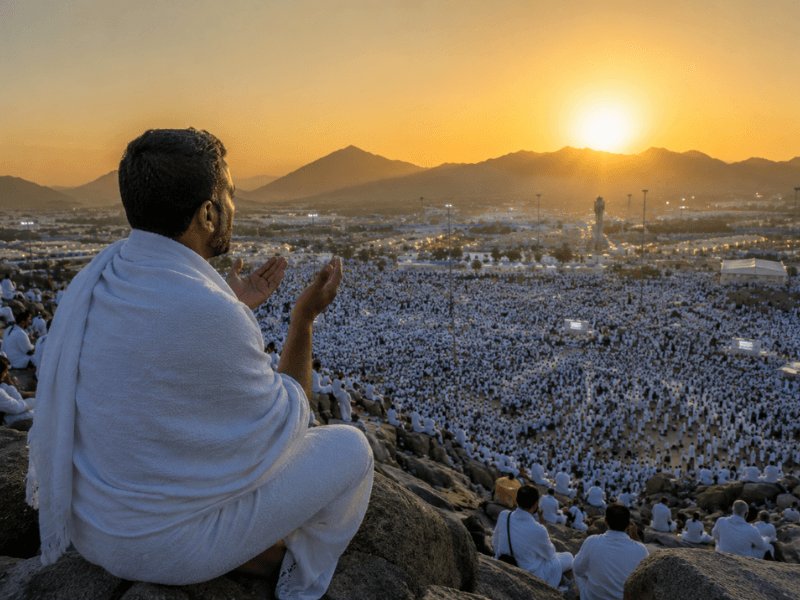
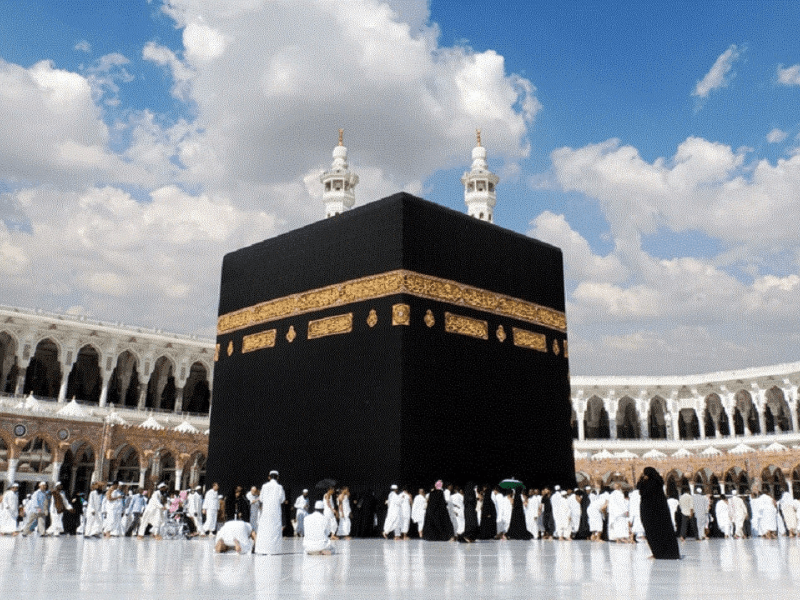
The pilgrims performing Hajj spend the day physically standing on the plains of Arafat in deep supplication.
Meanwhile, millions of believers at home across the West transform their residences into sanctuaries of worship. They wake up before dawn, engage in intensive Day of Arafah fasting, avoid worldly distractions, and dedicate their afternoon hours to emotional, private repentance.
What Happens on Mount Arafat During Hajj?
The relationship between Hajj and Day of Arafah is inseparable. The Prophet Muhammad ﷺ famously declared in a definitive authentic narration: “Hajj is Arafah.” This means that if a pilgrim misses the opportunity to spend time on the plains of Arafat during the designated hours, their entire pilgrimage is considered invalid.
| Pilgrim Actions | Spiritual Purpose |
| Standing from Noon until Sunset (Wuqoof). | Simulates the grand gathering of Resurrection Day before Allah. |
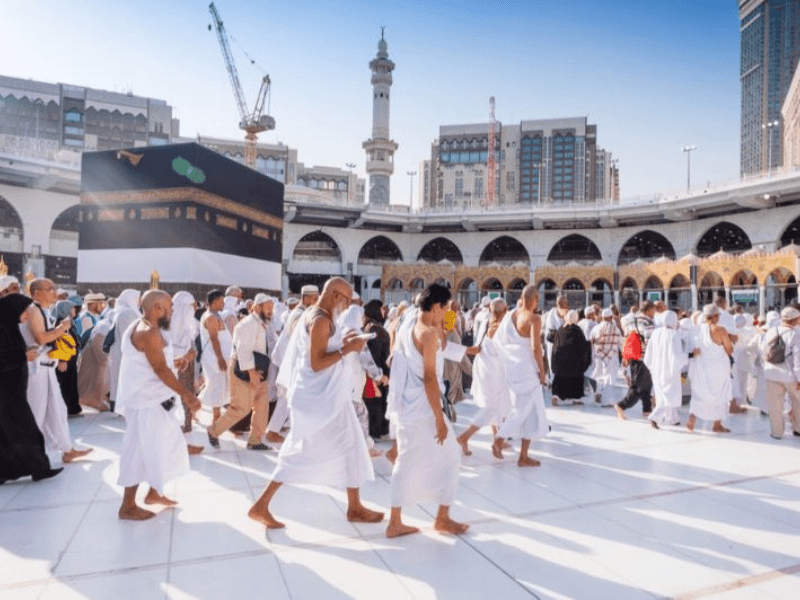
| Shedding structural societal tiers by wearing identical white Ihram. | Absolute humility, shedding ego, and establishing human equality. |
| Combining Dhuhr and Asr prayers early in the afternoon. | Maximizing every single second for intensive, uninterrupted Dua. |
Understanding the importance of Mount Arafat in Islam requires viewing it as a physical rehearsal for the Day of Judgment. Millions of people from every race, country, and language stand side-by-side on the rocky terrain, weeping openly and raising their hands to seek salvation.
What happens on Mount Arafat is a powerful display of human humility, where wealthy kings and humble workers stand identical in white garments, begging for the exact same divine mercy.
Why Do Muslims Fast on the Day of Arafah?
For those who are not physically present on the pilgrimage, engaging in a Day of Arafah fast is the most highly recommended action of the entire year. It is a golden spiritual bypass that allows non-pilgrims to share in the immense rewards descending upon the holy lands.
The extraordinary benefits of fasting on Day of Arafah were explicitly confirmed by the Prophet ﷺ when he was asked about its reward. He replied:
“It expiates the sins of the past year and the coming year.” (Sahih Muslim).
For any believer, the thought of wiping clean 730 days of mistakes through a single day of hunger and thirst is an offer of mercy that cannot be ignored. This magnificent reward provides a great source of Day of Arafah rewards that helps purify our slates and gives us a completely fresh spiritual start.
Keep Exploring: Learn Arabic to Understand Quran
Best Acts of Worship to Do on the Day of Arafah
To make the most of this annual treasure, utilizing a structured Day of Arafah worship checklist is the ultimate strategy. It ensures that your time is spent on high-impact actions rather than being lost to casual browsing or fatigue.
Here are the most powerful acts of worship on Day of Arafah to implement from dawn to sunset:
- Observe the Core Fast: Ensure your intention is made clearly before dawn to capture the two-year sin expiation.
- Increase Constant Dhikr: Keep your tongue moving with the praises of Allah, particularly the Tahleel, Tahmeed, and Takbeer.
- Perform Voluntary Prayers: Offer extra Sunnah units throughout the morning to continuously elevate your spiritual station.
- Recite the Holy Quran: Allocate dedicated hours to reading the text, focusing on verses that emphasize Day of Arafah repentance and mercy.
- Give Generous Charity (Sadaqah): Automate a financial donation to support authentic Islamic learning or global relief funds on this blessed day.
- Seek Sincere Forgiveness (Istighfar): Spend 15 minutes alone isolating your specific mistakes and asking Allah to erase them entirely.
- Maintain Strict Guard of the Senses: Protect your eyes, ears, and tongue from any backbiting or unauthentic content to preserve your rewards.
- Connect with Family Spiritually: Share a simple Day of Arafah guide for converts or a simple guide to Day of Arafah with loved ones to uplift the whole home.
- Make Extensive Supplication Before Sunset: The hours between Asr and Maghrib are the most critical moments for answering prayers.
- Prepare Your Mental Mindset: Clear your evening schedule entirely so your attention remains locked on divine remembrance.
Powerful Duas and Prayers for the Day of Arafah
Supplication is the absolute heart of this day. The Prophet ﷺ stated: “The best of supplications is the supplication on the Day of Arafah.” (Sunan al-Tirmidhi). Therefore, compiling a list of powerful Day of Arafah duas beforehand is vital.
The absolute pinnacle among all best duas for Day of Arafah is the traditional phrase taught directly by the Messenger of Allah ﷺ:
“لَا إِلٰهَ إِلَّا اللهُ وَحْدَهُ لَا شَرِيكَ لَهُ، لَهُ الْمُلْكُ وَلَهُ الْحَمْدُ، وَهُوَ عَلَى كُلِّ شَيْءٍ قَدِيرٌ”
“There is no deity worthy of worship except Allah alone, without partner. To Him belongs sovereignty, and to Him belongs all praise, and He has power over all things.”
Alongside this foundational declaration, your best prayers for Day of Arafah should include deeply personal requests. Beg Allah for the preservation of your faith in the West, pray for the spiritual protection of your children, ask for the relief of the global Ummah, and seek protection from the trials of life and the grave.
Learn More About: Hajj Guide for Beginners
Can Non-Pilgrims Benefit from the Day of Arafah?
A common misconception among a Day of Arafah for beginners audience is that the blessings of this period are exclusive to those traveling to Makkah. This is completely incorrect. The Day of Arafah for non pilgrims is a fully functional spiritual arena designed by Allah to ensure no believer is left behind.
While the pilgrims receive unique rewards for their physical sacrifices on the mountain, those staying behind can replicate the spiritual essence through focused devotion. By executing a calculated Day of Arafah spiritual reflection routine from your living room, you connect directly to the global spiritual grid.
This makes the day an ideal milestone for good deeds on Day of Arafah, allowing you to unlock massive Day of Arafah forgiveness even if you are thousands of miles away from Mount Arafat.
Book Your Free Trial Lesson at Iman School Today
Common Questions About the Day of Arafah
How long is the Day of Arafah fast?
The fast follows the standard Islamic ruling, extending from the true dawn (Fajr) until the exact moment of sunset (Maghrib). Depending on your specific Western location and the season, the how long is the Day of Arafah fast question typically ranges between 13 to 16 hours of dedicated devotion.
Can new Muslims or converts participate easily?
Yes, absolutely. We highly recommend our specialized Day of Arafah guide for converts and Day of Arafah for new Muslims resources. Focus on the core pillars: observing the fast, repeating the main translation of the day’s Dua, and spending time in simple, heartfelt English supplication. Allah looks directly at the sincerity of your heart, not the perfection of your accent.
Helpful Guide: Memorization for Women
What is the connection between the Day of Arafah and Eid al-Adha?
The Day of Arafah and Eid al-Adha are seamlessly linked as the two ultimate highlights of the sacred month of Dhul-Hijjah. Arafah acts as the day of intensive spiritual preparation, sacrifice, and deep repentance, while Eid al-Adha serves as the grand celebration of obedience and family unity on the subsequent morning.
Can non-Muslims learn about the Day of Arafah?
Yes. When people ask can non Muslims learn about Day of Arafah, we encourage them to explore the historical, ethical, and universal values of monotheism, racial equality, and human rights that the Prophet ﷺ proclaimed during his famous sermon on this historic day.
Where can I find mentions of the Day of Arafah in the Quran?
While not mentioned explicitly by name, the Day of Arafah in the Quran is heavily referenced by classical commentators. It is recognized as the “witnessed day” in Surah Al-Buruj (85:3) and is tied directly to the completion of religious favors in Surah Al-Ma’idah (5:3).
What happens if I accidentally miss the fast?
If you cannot fast due to health reasons, travel, or accidental missing, do not despair. You can still capture immense spiritual benefits of Day of Arafah by focusing heavily on reading the Quran, giving generous charity, making extensive Dua, and protecting your tongue from vain speech.
See Also:
Why Iman School Is the Trusted Choice for Online Islamic Education?
To fully maximize these sacred moments throughout the year, building a strong foundation in authentic Islamic knowledge is essential. That’s why Iman School, the leading online Islamic learning platform for Muslims in Western countries, provides a complete and modern educational experience designed for individuals and families seeking trusted, flexible, and results-driven Islamic education.
Whether you are searching for the best online Islamic school, a trusted Quran academy for kids and adults, an expert-led Islamic studies platform, or a professional online Quran learning program, Iman School delivers high-impact courses tailored to your lifestyle and learning goals.
From learning classical Arabic and mastering Tajweed to exploring authentic Aqeedah, Hadith, and Quran studies, our Ijazah-certified instructors provide personalized guidance that helps students grow spiritually with confidence and consistency. If you want your children to receive a safe, engaging, and authentic Islamic education from home, Iman School is the ideal choice for modern Muslim families worldwide.
In summary, mastering how to prepare for Day of Arafah allows you to transform a single sacred day into a lifetime of mercy, forgiveness, and spiritual elevation. This blessed occasion is a priceless opportunity for every Muslim seeking closeness to Allah and eternal reward.