 -by
-by Seeking authentic Information About the Holy Quran is the most rewarding step toward building an unshakeable spiritual foundation. For Muslims living in the West, accessing structured learning can be challenging. At Iman School, we turn this vital pursuit into an easy, beautiful, and deeply transformative digital reality.
What is the Quran?
To begin our journey, we must ask the core question: what is quran? When exploring authentic Information about the Holy Quran, it is important to understand that the Holy Quran is the absolute, uncreated word of Almighty Allah, revealed as the final testament to humanity. The literal meaning of quran in islam translates to “the recitation,” reflecting its primary nature as an oral revelation designed to be spoken, heard, and preserved in the heart.
For anyone searching for basic information about quran, it is essential to know that this book is not a human compilation, a collection of cultural folklore, or a collection of prophetic diaries.
Instead, it serves as the ultimate divine blueprint, offering comprehensive spiritual, ethical, and practical guidance for all aspects of human life. Among the most important Information about the Holy Quran is that it stands proudly as the final link in the chain of divine revelations that included the Torah of Moses and the Gospel of Jesus, making it the crown jewel of monotheistic history.
See More: Online Quran Education for Children Abroad
When Was the Quran Written and Who Wrote It?
A frequent historical inquiry among Western researchers is: when was the quran written and who wrote it? To answer this accurately, we must separate the visual act of writing from the divine process of revelation.
One of the most essential facts within Information about the Holy Quran is that the Holy Quran was not authored by any human being. It was revealed by Allah through the Angel Jibreel (Gabriel) to the Prophet Muhammad ﷺ over a dynamic 23-year period in the 7th century CE. The revelation began in the Year 610 CE in the cave of Hira near Makkah and concluded in the year 632 CE.
While the Prophet ﷺ was unlettered and did not physically write the text himself, he immediately dictated every single verse to a dedicated group of literate companions, known as the Scribes of Revelation (Kuttab al-Wahy).
These scribes meticulously recorded the words on available materials like parchment, leather, and palm fronds, ensuring that the oral recitation was paired with immediate textual documentation from day one.
Importance of the Quran
Understanding the true importance of quran requires viewing it as the living heart of Islamic civilization. One of the most valuable aspects of Information about the Holy Quran is recognizing that it serves as the absolute foundation of Islamic law, personal ethics, daily worship, and theology.
Explore these vital truths regarding why is the quran important in islam:
- The Ultimate Source of Divine Law: It establishes the legal and ethical framework for human rights, marriage, finance, and governance.
- A Continuous Source of Spiritual Healing: The physical recitation of its verses acts as a profound mental and emotional remedy for anxiety and stress.
- The Final Criteria of Truth (Al-Furqan): It distinguishes absolute truth from falsehood, clarifying misconceptions introduced into previous scriptures over time.
- An Unshakable Shield of Guidance: For families living in Western societies, its timeless principles offer a protective moral anchor against fluid cultural shifts.
Read Also: What is the best way to learn quran
How Many Authors Wrote the Quran?
When non-Muslims or beginners enter the field of Islamic studies, they often bring standard textual assumptions, wondering: how many authors wrote the quran? In secular literature, ancient scriptures are often treated as composite anthologies edited by various historical figures across centuries. This is why many people searching for Information about the Holy Quran are curious about the origins and authorship of the Quranic text.
However, the definitive reality of Islamic history is that the Quran has zero human authors. It features a singular, divine voice throughout its entirety. Unlike books authored by humans that carry stylistic contradictions, historical updates, and personal biases, the Quran speaks from a position of absolute, universal authority.
Whether addressing legal codes, cosmic phenomena, or the deep psychology of the human heart, the tone remains perfectly uniform and matchless, proving that no human panel or committee could have ever engineered its structural framework. This unique consistency remains one of the strongest proofs highlighted in authentic Information about the Holy Quran and its divine preservation.
The Quran’s Preservation
The history of how the text was preserved is one of the most compelling chapters in human history. To fully grasp this, we must analyze how the quran was preserved through a dual-layered system of absolute verification.
| Preservation Layer | Historical Methodology | Modern Result |
| The Oral Tradition | Millions of companions and students memorized every vowel, stop, and phonetic marker synchronously. | Mass unbroken transmission (Tawatur) that eliminates the risk of single-source forgery. |
| The Written Tradition | Compiled into a single master volume under Caliph Abu Bakr, and standardized by Caliph Uthman. | The exact same script layout utilized across all continents without a single letter altered. |
This unparalleled dual-preservation framework guarantees that when you read or learn about the quran online today at Iman School, you are looking at the exact same letters pronounced by the Prophet Muhammad ﷺ over 1,400 years ago.
Learn More: How Do I Start Learning Quran Online
How Old is the Quran?
For those seeking chronological facts and authentic Information about the Holy Quran, the text is over 1,400 years old. The initial revelation in the cave of Hira occurred approximately 1,416 solar years ago.
Despite its ancient historical origin, the contents of the book remain astonishingly fresh and relevant to modern life. It does not read like a dated, static document restricted to 7th-century desert realities.
Instead, its timeless spiritual advice, structural laws, and psychological insights speak directly to the contemporary challenges faced by twenty-first-century professionals living in Western cities. One of the most remarkable aspects of Information about the Holy Quran is this unique combination of ancient preservation and timeless relevance, which continues to inspire millions of people around the world to explore and embrace Islam every year.
The Structure of the Quran
For a student looking for a clear quran explained for beginners model, understanding the mechanical architecture of the book makes navigation incredibly simple. One of the most useful aspects of Information about the Holy Quran is learning how its structure is uniquely organized for both recitation and study.
The Quran is divided into 114 chapters, known as Surahs. These chapters are not arranged chronologically by when they were revealed; rather, they are organized in a unique structural sequence ordained by Allah.
Each Surah is made up of individual verses, known as Ayahs (which literally means “signs”). For reading convenience and structured study, the entire text is also divided into 30 equal parts, known as Juz, allowing a reader to easily complete the entire book over the course of a single month, particularly during Ramadan. This organized structure remains one of the most fascinating elements of Information about the Holy Quran for beginners and researchers alike.
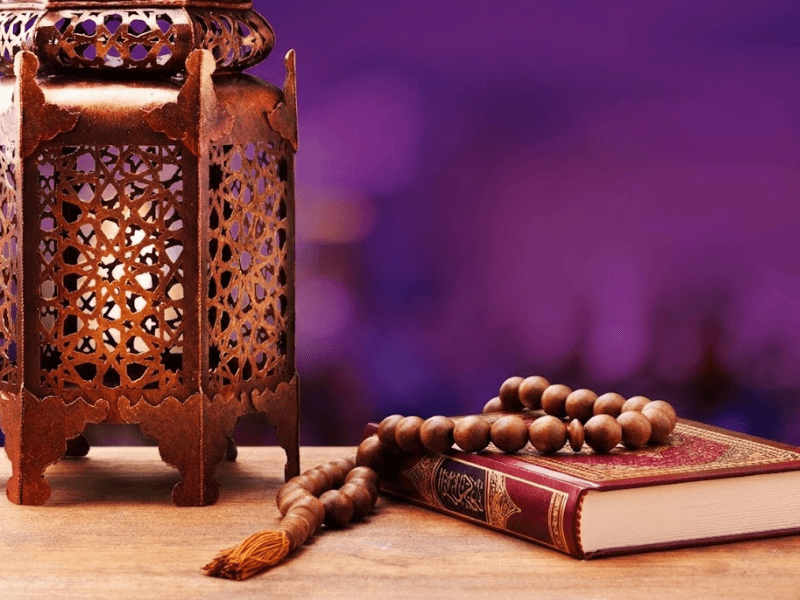
The Role of the Quran in Islamic Worship
The Quran is not a passive book meant to sit quietly on a library shelf; it is a living, breathing component of a Muslim’s daily routine. One of the most important aspects of Information about the Holy Quran is understanding how deeply it is interwoven into everyday Islamic life and worship.
Beyond formal prayers, the book serves as a daily manual for internal meditation, personal supplication, and community gatherings. Its verses are recited at marriages, funerals, business openings, and moments of personal hardship.
For a Muslim, living without daily interaction with the text is like a plant trying to grow without sunlight—it is the primary lifeline that keeps the human soul connected to its Creator. This spiritual connection remains one of the most powerful dimensions of Information about the Holy Quran for both Muslims and non-Muslims seeking to understand Islam more deeply.
See More: How to Revise Quran Hifz
How to Learn the Quran?
Taking the initial steps toward understanding the holy quran as a non-Arabic speaker requires moving away from overwhelming self-study toward a highly structured, professional roadmap. One of the most practical insights within Information about the Holy Quran is that guided learning with qualified teachers makes understanding the Quran far more effective and spiritually rewarding for beginners.
Here are the 5 essential steps to learn effectively from home:
- Master the Arabic Phonics Foundation: Begin by studying the Noorani Qaida to learn how letters alter shapes and combine into words.
- Integrate Expert Tajweed Instruction: Learn the mechanical rules of tongue placement and elongation to ensure accurate delivery.
- Utilize High-Intent Digital Resources: Partner with an established platform like Iman School to access personalized student tracking dashboards.
- Incorporate Translation Alignment: Always pair your pronunciation practice with clear English translations to ensure your heart understands what your tongue speaks.
- Establish a Daily Consistent Ritual: Set a strict 20-minute daily learning window rather than attempting long, sporadic weekend sessions.
Click Here to Book Your Free Trial Lesson at Iman School Today
Benefits of Reciting the Quran
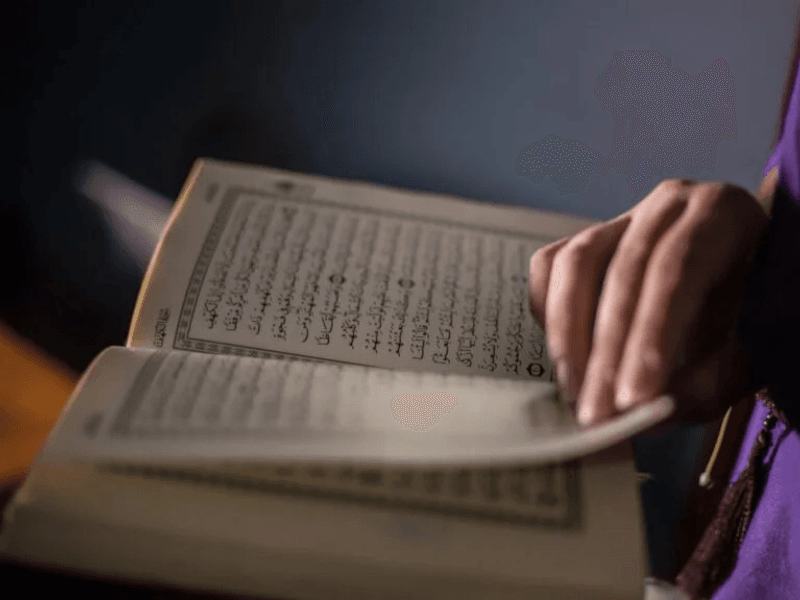
Engaging in consistent, daily recitation yields massive, life-altering rewards that transform your personal character, mental health, and spiritual standing.
Explore these 10 distinct benefits of building a recitation routine:
- Immense Accumulation of Rewards: The Prophet ﷺ taught that you earn ten rewards for every single individual letter you recite.
- Profound Mental Stress Relief: The acoustic properties of classical Arabic recitation naturally lower heart rates and soothe anxiety.
- Drastic Cognitive Memory Enhancement: The mental discipline of Hifz enhances focus, linguistic ability, and long-term memory.
- Clear Spiritual Purification: It acts as a daily wash for the heart, clearing away worldly distractions and negative internal thoughts.
- Intercession on Judgment Day: The Quran will manifest as an advocate for its dedicated reciters, pleading for their entry into Paradise.
- A Continuous Source of Guidance: It provides real-time answers and deep comfort during moments of personal confusion or grief.
- Elevated Status in This Life: Allah elevates nations and families who dedicate themselves to mastering and honoring this book.
- Protection for the Household: Reciting specific chapters (like Surah Al-Baqarah) drives negative energies away from your living space.
- True Peace of Mind (Sakina): It invites the noble angels to descend upon your home, surrounding your family with divine tranquility.
- An Unbreakable Link to the Creator: Every second spent reciting is a direct, intimate conversation with the Lord of the Worlds.
Discover More: Understand Quran Tafsir Online in English
FAQ: Information about the Holy Quran
Why Is the Quran Considered a Miracle in Islam?
The Quran is considered the ultimate miracle because it challenged the greatest poets of classical Arabia to produce even a single chapter matching its unique eloquence, linguistic rhythm, and structural depth—a challenge that remains unmet to this day. Furthermore, it contains flawless historical data and profound insights into natural phenomena that were completely undiscovered in the 7th century, proving its divine authorship beyond any human doubt.
How Was the Quran Preserved for Over 1400 Years?
It was preserved through a highly sophisticated oral memorization network coupled with immediate textual recording. From the very beginning, hundreds of companions memorized the entire text word-for-word, passing it down through massive, unbroken parallel chains of transmission (Tawatur). This oral precision was anchored by standard written manuscripts distributed globally during the first generation of Islam, ensuring that not a single vowel has been altered across centuries.
What Are the Main Themes and Messages of the Quran?
The main teachings of the quran center on three primary pillars: Tawhid (the absolute oneness of God), Risalah (the necessity of prophetic guidance across human history), and Akhirah (the absolute reality of the Afterlife and personal accountability). It focuses heavily on establishing social justice, protecting the vulnerable, purifying human character, and providing a comprehensive guide for living a balanced, purposeful life.
Explore More: Quran Memorization for Non-Arabic Speakers
Can Non-Muslims Read and Understand the Quran?
Yes, absolutely. One of the most important points in Information about the Holy Quran is that the Quran explicitly addresses itself to all of humanity, utilizing the universal phrase “O Mankind.” We highly encourage anyone seeking Information about the Holy Quran and quran facts for non muslims to read verified English translations. It provides a crystal-clear window into Islamic theology, clearing away media misconceptions and allowing readers to evaluate its timeless message of monotheism and justice firsthand.
What Is the Best Way for Beginners to Learn the Quran?
The absolute best way for beginners to learn is through private, 1-on-1 online classes with a live, certified tutor. Attempting to learn from static apps or pre-recorded videos lacks the live audio feedback loops necessary to correct subtle pronunciation mistakes. A personalized academy provides the perfect blend of pacing, safety, and academic tracking to build your confidence smoothly.
Read More: Speed Reading the Quran
Best Online Quran Academy for Quran Memorization and Tajweed
In conclusion, gathering authentic Information About the Holy Quran is a beautiful milestone, but the true transformation happens when you bring that knowledge to life through active, structured learning.
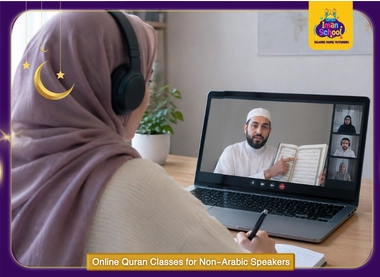
If you are ready to transition from a beginner into a confident, fluent reader or memorizer, Iman School, the best online Quran memorization and Tajweed school, is your premier educational sanctuary. We specialize heavily in serving Muslim families and professionals living in Western countries. Our platform completely removes the stress of local geographic limitations by giving you 24/7 access to elite, bilingual, and Ijazah-certified native scholars from the comfort of home.
Whether you want to master foundational reading, explore Information about the Holy Quran, perfect your Tajweed rules, or enroll your children in an inspiring, gamified Islamic studies track, our personalized 1-on-1 virtual classrooms are engineered to ensure your success.