 -by
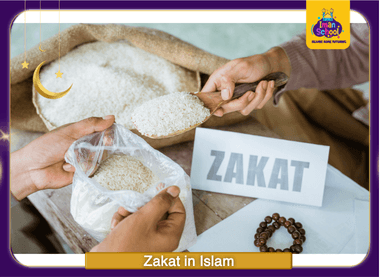
-by Zakat in Islam is not just a financial obligation. It is a core pillar that shapes the ethical, social, and economic life of every Muslim. If you ask any practicing Muslim about the basics of faith, Zakat will always come up.
- But why does it hold such weight in the religion?
- What difference does it make to your life, your wealth, and your community?
- How can you calculate it correctly and fulfill your duty according to the Quran?
This article gives you a clear, actionable guide to understanding Zakat in Islam. You will learn how to calculate it, know the types, understand the rules, and see its effects on individuals and society.
You will also see the spiritual dimension: Zakat as a purifier for your wealth and soul.
What Is Zakat and Why Is It Important in Islam?
Zakat in Islam is a mandatory act of worship and one of the five pillars of the faith. It serves as a divine command for Muslims to purify their wealth and contribute to social justice. The concept of Zakat literally means “to purify” and “to grow,” reflecting its spiritual and societal dimensions.
The Quran repeatedly emphasizes Zakat as a fundamental obligation. For instance, many Quranic verses about Zakat highlight its role alongside prayer, underscoring its importance in a believer’s life. Zakat in the Quran is mentioned over thirty times, illustrating how integral it is to Islamic practice.
Beyond being a religious duty, Zakat serves to cleanse the soul and the wealth of the giver. It removes impurities such as greed and selfishness, and promotes generosity. This purification is why Zakat and spiritual purification are closely linked concepts in Islam.
Moreover, Zakat in Islam plays a critical role in reducing economic inequality by redistributing wealth to those in need. It strengthens the social fabric by ensuring that the poor and marginalized members of the Muslim community receive support, thus fostering unity and compassion.

Read Also: Islamic Education
How Can You Calculate Your Zakat Correctly?
Calculating Zakat in Islam accurately is essential to fulfill this religious obligation correctly. Understanding Zakat calculation involves knowing which types of wealth are subject to Zakat, determining the nisab threshold, and applying the prescribed percentage.
Zakat rules and guidelines specify that Zakat is payable on various assets, including cash savings, gold, silver, business inventory, agricultural produce, and livestock. The first step is to tally all your zakatable assets and confirm that their combined value meets or exceeds the nisab—the minimum amount of wealth that necessitates paying Zakat in Islam.
To determine nisab, many use the value of 85 grams of gold or 595 grams of silver, based on current market prices. The next step is to ensure you have held the wealth for a full lunar year, known as hawl. Only after fulfilling this condition does the Zakat calculation apply.
The standard Zakat rate is 2.5% of qualifying wealth. For example, if your total zakatable assets equal $10,000 and have been held for one lunar year above nisab, your due Zakat is $250.
For those new to Zakat calculation, online Zakat courses offer step-by-step guidance. These courses simplify complex cases, like valuing investments or business goods, and teach you how to calculate Zakat precisely according to Islamic jurisprudence.
What Are the Different Types of Zakat in Islam?
Zakat in Islam encompasses several types, each with its own rules and conditions. Understanding the types of Zakat is crucial for accurate compliance and spiritual fulfillment.
1- Zakat al-Mal (Wealth Zakat)
This is the most common form, applying to cash, gold, silver, business merchandise, and other accumulated wealth. Zakat calculation here involves evaluating the total eligible assets annually.
2- Zakat al-Fitr
A specific type of Zakat in Islam obligatory on every Muslim before Eid prayer. It is a fixed amount of staple food or its monetary equivalent, intended to purify the fast and assist the poor in celebrating the festival.
3- Agricultural Zakat
Levied on crops with a rate depending on the irrigation method—typically 5% if rain-fed, and 10% if irrigated by other means.
4- Livestock Zakat
Applied to camels, cattle, and sheep when owned beyond certain quantities, with detailed Zakat rules and guidelines for each category.
Each type serves to purify specific forms of wealth and supports different segments of the Muslim community. Knowing these types ensures correct Zakat payment and maximizes its benefits.
Learn More: How to Perform Hajj
How Does Zakat Purify Wealth and Soul?
1- Purification of Wealth: Removing Spiritual Impurities
Zakat in Islam cleanses wealth from spiritual impurities such as greed, selfishness, and hoarding. When a Muslim pays Zakat in Islam, they ensure their wealth does not become a source of pride or attachment but remains a blessing and a means of good in the community. This purification allows wealth to circulate rather than stagnate, promoting social welfare and economic balance.
For example, a person who hoards wealth without giving may face spiritual consequences, while paying Zakat regularly purifies their assets and increases the blessing in what remains.
2- Spiritual Growth Through Generosity
Paying Zakat nurtures generosity and detachment from material possessions. It trains believers to recognize that wealth is a trust from Allah, not absolute ownership. By regularly giving a portion of their assets, Muslims develop humility, gratitude, and a stronger connection to their Creator.
This spiritual growth helps transform the individual’s character, fostering patience, selflessness, and contentment.
3- Strengthening Social Responsibility
Zakat encourages Muslims to take responsibility for their community. It fosters empathy by making wealth a shared resource rather than a private commodity. This sense of social duty reduces economic disparities and creates bonds of solidarity.
For instance, when a wealthy person gives Zakat in Islam, they help uplift the poor, reinforcing the social fabric and encouraging mutual care.
4- Inner Peace and Satisfaction
Fulfilling the obligation of Zakat brings inner tranquility and satisfaction. Knowing that one’s wealth is purified and being used to assist those in need offers spiritual comfort and a sense of fulfillment. This peace strengthens faith and encourages continued obedience to Allah’s commands.
Many believers report feeling lighter and more grateful after giving Zakat, as it aligns their actions with divine guidance.
What Quranic Verses Emphasize the Importance of Zakat in Islam?
1- Zakat Paired with Prayer: A Pillar of Faith
The Quran consistently pairs the command to give Zakat with the establishment of prayer, emphasizing their equal importance. Verses like “And establish prayer and give Zakat…” (Surah Al-Baqarah 2:43) show that Zakat is fundamental to a believer’s relationship with Allah.
This pairing underlines that both spiritual devotion and social responsibility are essential parts of Islamic faith.
2- Identifying the Beneficiaries
The Quran specifies who should receive Zakat in Islam: the poor, the needy, those employed to collect it, those whose hearts are to be reconciled, freeing captives, those in debt, for the cause of Allah, and the wayfarer (Surah At-Tawbah 9:60). This clear guidance ensures fairness and prevents misuse, directing resources to those who genuinely need help.
3- Divine Promise of Reward
Allah promises great reward for those who pay Zakat sincerely. Verses like “Indeed, those who believe and do righteous deeds and establish prayer and give Zakat will have their reward with their Lord…” (Surah Al-Baqarah 2:277) assure believers that their efforts are recognized and multiplied.
This promise motivates Muslims to fulfill their obligations faithfully.
4- Zakat as a Means of Mercy and Social Harmony
Zakat fosters mercy among community members and helps build social harmony by bridging economic gaps. It is a practical manifestation of compassion and justice commanded by the Quran.
By giving Zakat in Islam, believers promote unity and reduce tensions caused by poverty and inequality.
Discover More: Hajj Guide for Beginners
What Is the Difference Between Zakat and Sadaqah?
1- Obligation vs. Voluntariness
Zakat is a mandatory obligation prescribed by Allah, with fixed rules and penalties for neglect. In contrast, Sadaqah is voluntary charity, encouraged to be given generously but without obligation.
This distinction clarifies priorities in worship and social ethics.
2- Fixed Amount vs. Flexible Giving
Zakat requires paying a fixed portion—usually 2.5%—of eligible wealth once annually. Sadaqah can be any amount given at any time according to one’s means and willingness.
3- Designated Recipients vs. Open Beneficiaries
Zakat has specified recipients defined in the Quran, ensuring systematic social support. Sadaqah can be given to anyone or any cause, including non-Muslims, and covers a wider range of charitable acts.
4- Legal and Spiritual Status
Zakat in Islam is one of the five pillars of Islam, carrying legal and spiritual significance. Sadaqah, while highly meritorious, is supplementary and a means to enhance generosity and kindness beyond obligatory acts.
How Does Zakat Benefit the Muslim Community and Society?
1- Reducing Poverty and Hunger
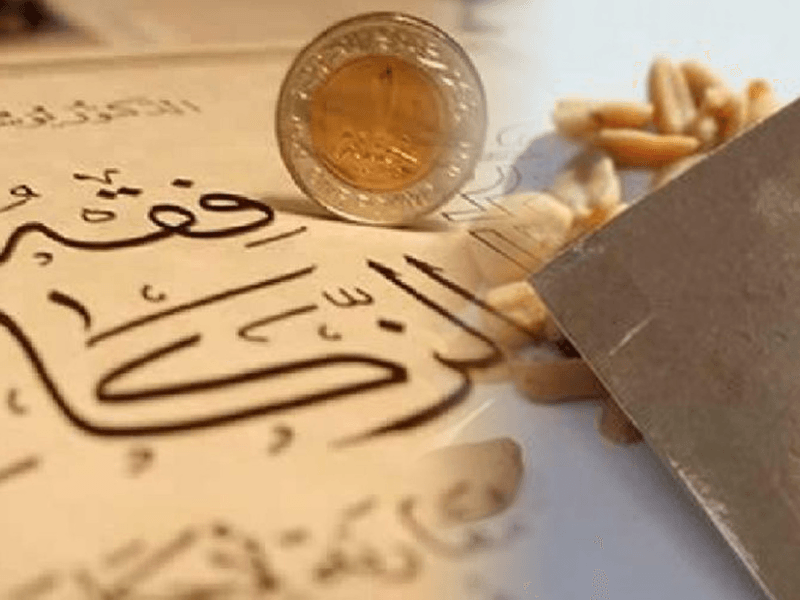
Zakat in Islam acts as a direct financial support system for the poor and needy, helping to alleviate poverty and hunger. By redistributing wealth, Zakat ensures that basic needs like food, shelter, and healthcare are more accessible to vulnerable groups.
2- Promoting Economic Justice and Balance
Zakat discourages wealth hoarding and concentration by requiring wealthy Muslims to share a portion of their wealth. This circulation promotes economic balance and fairness, preventing large disparities that can cause social unrest.
3- Strengthening Social Cohesion and Solidarity
The act of giving Zakat fosters empathy and responsibility within the Muslim community. It builds trust and mutual support, reinforcing social bonds between different economic classes.
4- Funding Community Development
Historically, Zakat in Islam has funded public goods such as education, healthcare, and infrastructure projects. It empowers communities to invest in long-term growth and welfare.
Explore More: Day of Arafah
Who Is Required to Pay Zakat in Islam?
When exploring who should pay Zakat, Islamic jurisprudence establishes clear personal criteria. Zakat is not a voluntary donation; it is a mandatory Zakat pillar of Islam binding upon every Muslim who meets specific wealth thresholds.
To determine Zakat eligibility, an individual must be a sane, adult Muslim who possesses complete ownership of a designated amount of surplus wealth. This wealth must be fully productive and free from immediate debt obligations.
Unlike secular taxation, which is based entirely on monthly cash flow or income brackets, the Zakat rules dictate that this obligation is calculated solely on accumulated, stagnant wealth that sits untouched for a full year. This ensures that the financial obligation falls strictly upon those who genuinely possess surplus means, making it a perfectly balanced system of social justice.
What Is Nisab and How Does It Affect Zakat Calculation?
At the absolute center of Zakat calculation lies a foundational baseline known as the Nisab. For anyone seeking a comprehensive Zakat guide, understanding Nisab in Islam is the very first step to establishing whether your payment is required or not.
Simply put, Nisab is the minimum threshold of personal wealth that a Muslim must own before they are legally obligated to give Zakat in Islam. If your total net assets fall below this line, you are exempt from paying. The classical standards for Nisab were explicitly set by the Prophet Muhammad ﷺ using two permanent commodity metrics:
- The Gold Standard: Equivalent to 85 grams of pure gold.
- The Silver Standard: Equivalent to 595 grams of pure silver.
Because the market values of gold and silver fluctuate constantly, the monetary value of Nisab shifts every year. Most modern global charities recommend utilizing the silver standard for regional calculations, as it establishes a lower threshold, thereby expanding the pool of funds available to rescue the poor.
When Should Muslims Pay Zakat Each Year?
A common point of confusion for beginners exploring what is Zakat is identifying the exact calendar date for payment. Unlike the fast of Ramadan, which is tied to a fixed month, the timing of when to pay Zakat is entirely personalized to each individual’s financial history.
Your personal Zakat timeline begins the exact day your total surplus wealth hits the Nisab threshold. Once that occurs, a spiritual countdown clock begins. If your wealth remains above that threshold for one continuous Hawl (a full lunar year consisting of 354 days), your payment becomes immediately due.
Many Muslims living in Western countries choose to align their annual calculation date with the blessed days of Ramadan to capture multiplied spiritual rewards, but mathematically, you can fulfill this obligation at any point of the year once your personal lunar anniversary arrives.
Who Can Receive Zakat According to Islamic Teachings?
The distribution of this wealth is not left to human preference or casual guesswork. Allah has explicitly decreed the exact Zakat beneficiaries directly within the Holy Quran, restricting the funds to eight specific categories of people in Surah At-Tawbah (Verse 60).
When figuring out how to pay Zakat correctly, your funds must be directed to one or more of these authorized groups:
- Al-Fuqara (The Poor): Those who possess no income or assets whatsoever.
- Al-Masakin (The Needy): Those who have an income, but it fails to cover their basic survival needs.
- Al-Amilina ‘Alayha: The professional administrators appointed to collect and distribute the funds.
- Al-Mu’allafati Qulubuhum: Those whose hearts are softening toward Islam, including new converts needing stability.
- Fi al-Riqab: Emancipating individuals from human trafficking, captivity, or modern forms of systemic slavery.
- Al-Gharimin: Individuals crushed by overwhelming, legitimate debts that they have no physical way to repay.
- Fi Sabilillah: Those striving genuinely in the path of Allah, including authentic educational and community works.
- Ibn al-Sabil: The stranded traveler who has run completely out of funds away from home.
What Common Mistakes Should Muslims Avoid When Paying Zakat in Islam?
Even with a clear Zakat explained blueprint, many well-intentioned believers fall into mechanical traps that can inadvertently invalidate their worship. Avoiding these common mistakes ensures your obligation is truly lifted.
- Guessing Assets Without Calculation: Relying on casual estimates instead of looking at exact bank statements and weight balances.
- Confusing Zakat with Sadaqah: Failing to realize that voluntary charity cannot substitute for your mandatory Zakat obligation.
- Paying the Wrong Recipients: Giving funds to immediate family members (like parents or children) whom you are already legally obligated to support financially.
- Forgetting the Lunar Anniversary: Calculating wealth using the solar calendar (365 days) instead of the correct Islamic lunar year (354 days), which causes a gradual backlog of missed payments over time.
Explore: Our Islamic Courses
Can Zakat Be Paid Online or Through Charities?
In our modern digital era, the process of executing a Zakat payment online has become incredibly safe, verified, and efficient. Utilizing an authorized Islamic charity network completely removes the heavy administrative burden of sourcing individual poor families yourself.
When you use a reputable online portal, the platform acts as your legal proxy (Wakeel). They take your calculated funds and distribute them directly to verified, eligible recipients globally or locally. At Iman School, we always advise our community to ensure that any charity platform they choose features a transparent “100% Zakat Policy,” guaranteeing that not a single cent of your mandatory purification fund is diverted toward corporate overhead or general marketing costs.
Join a Free Islamic Course Trial
Is Zakat Calculated on Savings, Gold, and Income?
Yes, proper Zakat calculation must take into account all your liquid and luxury assets combined. The basic rule of thumb is that any asset held for investment, wealth accumulation, or trade is subject to a 2.5% deduction rate annually.
To use a modern Zakat calculator approach manually, you must sum up the following asset classes:
| Asset Category | How It Is Calculated |
| Zakat on Savings & Cash | Zakat on Savings & Cash, cash boxes, and digital wallets. |
| Zakat on Gold & Silver | The current scrap market value of all jewelry and bullion owned. |
| Business Stock & Crypto | The total value of merchandise for sale, plus tradeable crypto assets. |
Your regular monthly income is not taxed immediately when you receive your paycheck. Instead, whatever remains of that income after paying for your rent, food, and family expenses is added directly to your general cash savings pool. If that total pool stays above Nisab by your anniversary date, you apply the 2.5% rate to the entire balance.
How Does Zakat Help Reduce Poverty and Strengthen Communities?
The profound Zakat meaning goes far beyond basic financial mathematics; it serves as the ultimate spiritual and economic stabilizer for human society. By mandating a continuous 2.5% flow of wealth from static bank accounts directly into the hands of the vulnerable, it acts as a permanent antidote to systemic poverty.
From a social perspective, this divine mechanism eliminates resentment between social classes, building an unshakeable bridge of brotherhood. It ensures that wealth never stays trapped exclusively in the hands of the elite, but instead circulates dynamically to stimulate the entire economy. It transforms charity from a condescending act of pity into a dignified, institutionalized human right.
What Happens If Someone Delays or Ignores Paying Zakat?
Because it is an absolute pillar of the faith, intentionally withholding or delaying your payment without a valid excuse is considered a severe spiritual transgression. The wealth we hold is not truly ours; it is a temporary trust (Amanah) granted to us by Allah.
Failing to discharge this obligation means keeping money that legally belongs to the poor. Classical scholars emphasize that uncalculated wealth loses its divine blessing (Barakah) and can become a source of spiritual ruin in this life and the next. Conversely, fulfilling your obligation purifies your remaining funds, inviting immense divine protection and abundance into your household.
How Can New Muslims Learn the Rules of Zakat Easily?
For those newly entering the faith, navigating advanced financial jurisprudence can feel overwhelming. The key to learning smoothly is to break the process down into bite-sized, practical milestones.
At Iman School, we specialize in making these complex pillars incredibly approachable for Western learners and new Muslims. Through our premier online Islamic studies courses, we match you with compassionate, bilingual scholars who explain the mechanics of Nisab, wealth tracking, and purification using simple, modern English. We guide you step-by-step through real-life scenarios, ensuring you build absolute confidence in your worship without any stress or confusion.
FAQ About Zakat in Islam
When should I pay Zakat in Islam?
Zakat becomes due once your wealth exceeds the nisab and has been held for a full lunar year, though many choose to pay during Ramadan.
Can I pay Zakat online?
Yes. Online Zakat courses and platforms offer convenient ways to calculate and pay Zakat securely.
What assets are subject to Zakat in Islam?
Cash, gold, silver, business inventory, agricultural produce, and livestock are commonly subject to Zakat in Islam. Personal belongings and primary residences are exempt.
What if I miss paying Zakat?
You should pay any missed Zakat as soon as possible, as it remains a debt owed to Allah.
Can I give Zakat to my family?
You cannot give Zakat to immediate dependents but can give it to extended family members if they qualify.
Iman School: Best Online Islamic Studies School for Learning Zakat in Islam
Zakat in Islam is more than an obligation, it is a transformative act that purifies your wealth, elevates your spirit, and strengthens the Muslim community. Accurate calculation and timely payment ensure that your Zakat fulfills its divine purpose, helping those in need and fostering social justice.
At Iman School, recognized as one of the best online Islamic studies schools, we offer comprehensive online Zakat courses designed to guide you step-by-step through the Zakat calculation process. Our expert instructors provide personalized support to ensure you fully understand Zakat rules, Nisab, eligibility, and payment guidelines, empowering you to fulfill this important pillar of Islam with confidence and ease.