 -by
-by Seeking authentic knowledge is a sacred obligation for every Muslim. Today, Islamic Sciences Courses provide a bridge for believers in the West to connect with their heritage. At Iman School, we offer specialized Islamic Sciences Courses designed to help you understand your faith through a structured, scholarly, and accessible lens.
What Are Islamic Sciences Courses?
Islamic Sciences Courses refer to a comprehensive branch of academic and spiritual disciplines derived from the primary sources of Islam: the Holy Quran and the Sunnah. These courses are not merely about reading religious texts; they are a deep dive into the systematic methodologies used by scholars over centuries to extract rulings, understand theology, and refine character.
When you enroll in Islamic Sciences Courses, you engage with subjects such as Tafsir (Quranic Exegesis), Hadith (Prophetic Traditions), Fiqh (Jurisprudence), and Aqeedah (Creed).
In a modern context, Islamic Sciences Courses offered through an interactive Islamic learning platform allow students to study these complex subjects in English, making traditional scholarship accessible to those who may not yet be fluent in Arabic.
At Iman School, our Islamic Sciences Courses are built upon a comprehensive Islamic education model that respects classical tradition while utilizing modern teaching tools to suit a Western audience.

Why Islamic Sciences Courses Are Important?
The pursuit of knowledge is highly exalted in Islam. Allah says in the Quran: “Say, ‘Are those who know equal to those who do not know?'” (Surah Az-Zumar, 39:9). Enrolling in Islamic Sciences Courses is the primary way to move from “inherited faith” to “certain faith.” Here is why these courses are essential:
- Protecting the Creed from Misconceptions: In an era of misinformation, Islamic Sciences Courses provide the necessary tools to distinguish between authentic teachings and cultural innovations. By studying Aqeedah lessons, a student builds a fortress around their heart, ensuring their belief in the Oneness of Allah is based on clear evidence rather than doubt.
- Correct Worship through Jurisprudence: To worship Allah correctly, one must know the rules of prayer, fasting, and charity. Islamic jurisprudence courses offer a step-by-step breakdown of daily rituals, ensuring that your acts of worship are valid and according to the Sunnah, which brings peace of mind to every believer.
- Connecting with the Quranic Message: Without Tafsir classes, the Quran remains a recited book without a deep-felt impact. Islamic Sciences Courses unlock the context of revelation, allowing the verses to transform your character and provide practical solutions to your modern-day problems.
- Preserving the Prophetic Legacy: Studying Sunnah and Hadith studies online allows you to walk in the footsteps of the Prophet (PBUH). It helps you understand his character, his judgments, and his mercy, ensuring that his example remains the primary influence in your life and the lives of your children.
- Developing Intellectual Depth: Islamic Sciences Courses are intellectually rigorous. They teach you Usul al-Fiqh (Principles of Jurisprudence) and logic, which sharpens your critical thinking skills and helps you navigate complex ethical dilemmas in the Western professional world.
- Fostering Spiritual Growth: Knowledge without action is a burden, but Islamic knowledge classes are designed to soften the heart. As you learn about the attributes of Allah and the lives of the Sahaba through Seerah of the Prophet, your love for the Deen naturally increases.
- Empowering the Next Generation: For parents, Islamic Sciences Courses are a long-term investment. You cannot teach your children what you do not know. By becoming a student of knowledge, you become a qualified mentor who can answer your children’s difficult questions about faith with confidence.
- Building a Balanced Identity: For Muslims in the West, identity can be a struggle. Islamic Sciences Courses provide a grounding in Islamic history and Islamic ethics, helping you remain a proud, practicing Muslim while contributing positively to the society you live in.
- Fulfilling a Religious Obligation: The Prophet (PBUH) said: “Seeking knowledge is an obligation upon every Muslim” (Ibn Majah). Engaging in Islamic studies online is a direct way to fulfill this command and earn the rewards associated with being a “Talib al-Ilm” (Seeker of Knowledge).
- Earning Continuous Charity (Sadaqah Jariyah): The knowledge you gain from Islamic Sciences Courses is a treasure you can pass on. Every time you teach a family member or a friend a ruling or a verse you learned, you earn rewards that continue even after you pass away.
Main Types of Islamic Sciences Courses
To provide a comprehensive Islamic education, we categorize our Islamic Sciences Courses into several specialized fields. Each serves as a pillar for a student’s growth.
1- Quranic Sciences and Tafsir
This is the heart of all Islamic Sciences Courses. It involves the study of the history of the Quran’s compilation, the reasons for revelation (Asbab al-Nuzul), and the linguistic miracles of the text. Tafsir classes help you move beyond the literal translation to understand the deep, multifaceted meanings of Allah’s words.
2- Hadith Science and Sunnah
These Islamic Sciences Courses focus on the sayings, actions, and approvals of the Prophet (PBUH). Students learn about Hadith science, the rigorous methodology used by scholars to verify the authenticity of narrations (Mustalah al-Hadith). This ensures that your practice of Islam is based on sound, sahih reports.
3- Fiqh and Usul al-Fiqh
Fiqh studies deal with the practical rulings of Islam, from marriage and business to worship. Meanwhile, Usul al-Fiqh is an advanced branch of Islamic law courses that explains how scholars derive these rulings from the sources. These Islamic Sciences Courses are vital for anyone wanting to live their life according to Shariah.
4- Aqeedah (Islamic Theology)
Aqeedah lessons explore the core beliefs of a Muslim. This includes the study of the Names and Attributes of Allah, the belief in angels, prophets, and the Day of Judgment. Among all Islamic Sciences Courses, this is the most critical for establishing a firm, unwavering foundation of faith.
5- Seerah and Islamic History
Understanding the Seerah of the Prophet and the history of the Caliphate provides context to the Deen. These Islamic Sciences Courses allow you to see how the principles of Islam were applied in real-world governance, social justice, and personal interactions, offering a blueprint for modern Islamic living.
Teaching Methods Used in Islamic Sciences Education
At Iman School, we believe that Islamic Sciences Courses should be taught using a blend of traditional and modern pedagogical techniques to ensure maximum retention and engagement.
1- One-on-One Mentorship
The most traditional method of teaching Islamic Sciences Courses is the direct relationship between teacher and student. This allows for personalized feedback and ensures that the student’s specific doubts are addressed immediately.
2- Socratic Questioning
Our instructors use questioning to encourage students to think deeply about the Islamic theology they are learning. This method helps students internalize the logic behind Islamic law courses rather than just memorizing rulings.
3- Comparative Analysis
In our Fiqh studies, we often present different scholarly opinions (Ikhtilaf). This teaches students the breadth and mercy of the Islamic jurisprudence course and fosters a spirit of tolerance and academic respect.
4- Visual Mapping and Infographics
To simplify complex subjects like Usul al-Fiqh, we use visual aids. Mapping out the chains of narration in Hadith science through digital tools makes Islamic Sciences Courses much easier for visual learners to grasp.
5- Interactive Group Discussions
Even in an online Islamic learning environment, we create small “circles of knowledge.” Discussing Islamic ethics with peers from around the world provides diverse perspectives on how to apply the Deen in various Western contexts.
6- Practical Case Studies
Our Islamic jurisprudence course often uses modern-day scenarios, such as Islamic finance or bioethics, to show how ancient principles apply to 2026. This makes Islamic Sciences Courses incredibly relevant to professional Muslims.
7- Scaffolding (Step-by-Step Learning)
We offer a beginner Islamic studies program that slowly builds up to advanced Islamic learning online. This ensures that students aren’t overwhelmed by the depth of Shariah studies too early in their journey.
8- Digital Assessments and Quizzes
To track progress in our Islamic Sciences Courses, we use interactive quizzes. This provides the student with immediate feedback and helps our online madrasa courses maintain a high standard of academic excellence.

Check out: Alimah program
Benefits of Studying Islamic Sciences Online
For many Muslims in the West, the primary barrier to traditional education is geography and time. Islamic Sciences Courses delivered through a digital medium remove these obstacles while maintaining the sanctity of the knowledge. Here is why studying online is a transformative choice:
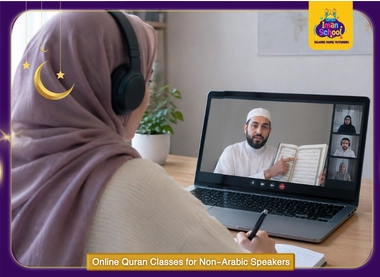
- Access to Global Scholarship: By choosing to study Islamic Sciences Courses online, you are no longer limited to the teachers in your local city. You can learn from highly qualified scholars and graduates of the world’s leading Islamic universities right from your home, ensuring you receive a comprehensive Islamic education.
- Unmatched Flexibility for Professionals: Most Islamic studies online programs are designed with the working professional in mind. You can schedule your Islamic jurisprudence course or Aqeedah lessons around your career and family commitments, ensuring that seeking knowledge doesn’t lead to burnout.
- A Comfortable Learning Environment: Many sisters and shy students find that Islamic Sciences Courses taken online provide a more private and comfortable setting. This “safe space” encourages students to ask deep, personal questions about Islamic theology that they might feel hesitant to ask in a large, public setting.
- Cost-Effective Education: Studying Islamic Sciences Courses online eliminates the costs associated with travel, childcare, and physical textbooks. Most online madrasa courses offer digital resources and competitive tuition rates, making high-level Shariah studies affordable for everyone.
- Pacing Tailored to the Student: In a traditional classroom, the teacher moves at the pace of the group. With Islamic Sciences Courses at Iman School, you can choose the speed of your beginner Islamic studies program, ensuring you truly master a concept before moving to more advanced Quranic sciences.
- Recording and Review Capabilities: One of the greatest technical benefits of an interactive Islamic learning platform is the ability to record sessions. If you miss a detail in a Hadith science lecture, you can replay the recording, which is an invaluable tool for long-term retention of Islamic knowledge.
- Consistent Progress Tracking: Online Islamic Sciences Courses often utilize digital dashboards. This allows you to see your journey through a structured Quran learning for ladies or men’s program, providing visual motivation as you complete different modules of your Islamic sciences diploma online.
- Safe for Families and Children: Parents can monitor the Islamic teaching methods used in their children’s Islamic studies for beginners. This transparency builds trust, as you can see exactly how your child is being taught the Seerah of the Prophet and basic Islamic ethics.
- Access to Diverse Perspectives: Studying Islamic Sciences Courses online connects you with a global student body. Interacting with brothers and sisters from the UK, USA, and Australia in your Tafsir classes provides a rich, multicultural understanding of the Ummah’s challenges.
- Bridging the Language Gap: Many traditional classes are only available in Arabic or Urdu. Islamic Sciences Courses online are often designed specifically for English speakers, providing Arabic for Quranic understanding alongside English explanations to ensure no meaning is lost.
Discover: Islamic Etiquette Program
Who Can Benefit from Islamic Sciences Courses?
The door to Islamic Sciences Courses is open to everyone, regardless of their background or current level of practice.
- New Muslims (Reverts): Those who have recently embraced Islam can use a beginner Islamic studies program to build their foundation from the ground up, avoiding the confusion of conflicting online opinions.
- Busy Parents: Mothers and fathers can benefit from Islamic classes for sisters and brothers that fit into their domestic schedules, allowing them to lead their homes with sound Islamic knowledge.
- University Students and Professionals: Those living in a secular academic or professional environment can use Islamic philosophy and Islamic law courses to reconcile their faith with modern intellectual challenges.
- Aspiring Community Leaders: Sisters and brothers who wish to serve their local Masajid can enroll in Islamic scholarship courses to ensure their leadership is grounded in authentic Sunnah and Hadith studies.
- Lifelong Learners: Even those who have practiced Islam for decades find that Islamic Sciences Courses provide fresh insights into the Quranic sciences, renewing their spiritual energy and love for the Deen.
Difference Between Fiqh, Aqeedah, and Tafsir Studies
In your journey through Islamic Sciences Courses, you will frequently encounter these three terms. While they are interconnected, they focus on different aspects of the faith.
Aqeedah (The Foundation)
Aqeedah lessons focus on what a Muslim must believe. It is the study of the “unseen”, Allah, His angels, the books, the messengers, the Day of Judgment, and Divine Decree. Among all Islamic Sciences Courses, Aqeedah is the “root” of the tree; without a sound creed, no other action is accepted.
Fiqh (The Practice)
While Aqeedah deals with the heart, Fiqh studies deal with the limbs. An Islamic jurisprudence course teaches you the practical “how-to” of being a Muslim. This includes the rulings of Taharah (purification), Salah (prayer), Zakat, and even complex matters like Islamic law courses regarding inheritance and business contracts.
Tafsir (The Understanding)
Tafsir classes are the scholarly explanation of the Quran. While the Quran is for everyone, Tafsir is one of the specialized Islamic Sciences Courses that uses linguistic, historical, and Prophetic context to explain the deep intent behind the verses. It bridges the gap between the words of Allah and our daily application.
Why Learning Arabic Helps in Understanding Islamic Sciences?
While Iman School offers Islamic Sciences Courses in English, we highly encourage students to eventually pair their studies with an Arabic language course. The Quran was revealed in “Plain Arabic,” and certain nuances in Islamic theology and Hadith science are deeply tied to the Arabic language’s roots.
By taking an Arabic for Quranic understanding track, you move from relying on a translator to experiencing the “direct” miracle of the Quran. It allows you to appreciate the linguistic precision in Usul al-Fiqh and the eloquent beauty of the Seerah of the Prophet in its original form.

Online vs Traditional Islamic Learning
Traditional Islamic Learning
This usually involves traveling to a “Rihla” or sitting in a local Masjid. It offers physical “Suhba” (companionship), but for many in the West, this is physically impossible due to a lack of local Islamic scholarship courses or the inability to travel abroad for years at a time.
Online Islamic Learning
This model, exemplified by Iman School, uses an interactive Islamic learning platform to bring the “Halaqa” (circle of knowledge) to you. It is the most effective way for 21st-century Muslims to engage in advanced Islamic learning online. It combines the rigor of certified Islamic studies courses with the convenience of modern technology, making Islamic Sciences Courses a permanent part of your lifestyle.
How to Choose the Right Islamic Studies Academy?
With the rise of Islamic studies online, many platforms offer religious content. However, not all Islamic Sciences Courses are created equal. To ensure you are receiving a sound and authentic education, consider the following 10 points:
- Scholarly Credibility: Ensure the academy’s teachers are graduates of reputable Islamic universities and hold Ijazahs in the subjects they teach.
- Balanced Curriculum: A good academy provides a structured Quran learning path that balances Fiqh studies with spiritual development.
- Language Proficiency: The instructors must be fluent in English to explain complex Islamic law courses without ambiguity.
- Technological Infrastructure: The interactive Islamic learning platform should be user-friendly, stable, and accessible on multiple devices.
- Student Support: Look for academies like Iman School that offer 24/7 coordination and support for your Islamic Sciences Courses.
- Gender Privacy: For many sisters, having access to a female Quran teacher or private classes is a high priority.
- Trial Availability: Always choose a school that offers a trial for their Islamic Sciences Courses to ensure the teaching style suits you.
- Authenticity of Sources: The curriculum should be rooted in the Quran and Sunnah, following the path of the mainstream scholarly tradition.
- Flexible Scheduling: The academy must accommodate different time zones, especially for online Islamic education for adults in the West.
- Positive Reputation: Check for testimonials from other women Quran learners and students to verify the impact of their Islamic knowledge classes.
Features of a High-Quality Islamic Sciences Program
A high-quality program for Islamic Sciences Courses is defined by its ability to turn complex theories into actionable wisdom. At Iman School, we ensure our courses possess these 10 features:
- Integrated Learning: We connect Hadith science with Islamic ethics, showing how the Prophet’s words translate into noble character.
- Step-by-Step Methodology: Our beginner Islamic studies program ensures you don’t skip essential foundations before moving to advanced Islamic learning online.
- Live Interaction: Unlike pre-recorded videos, our Islamic Sciences Courses feature live sessions for real-time Q&A.
- Comprehensive Resources: Students receive digital textbooks and summaries for every Islamic jurisprudence course they attend.
- Focus on Contemporary Issues: We discuss how Islamic theology addresses modern challenges like atheism, ethics, and mental health.
- Memorization Support: Our online Hifz teacher tracks work alongside your Tafsir classes to ensure you are living and memorizing the Word.
- Cultural Sensitivity: We understand the context of Muslims living in the West and tailor our Islamic Sciences Courses accordingly.
- Regular Assessments: Periodic quizzes help solidify your understanding of Shariah studies and Aqeedah lessons.
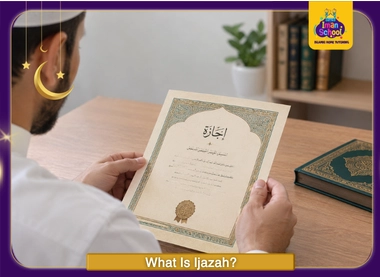
- Certification: Upon completion, we offer Islamic courses with certificates to recognize your dedication and achievement.
- Community Access: Students become part of a global network of seekers of knowledge, fostering a sense of belonging and brotherhood/sisterhood.
Certified Islamic Courses and Their Benefits
Earning an Islamic sciences diploma online or a certificate is more than just a piece of paper. It is a testament to your discipline and commitment to the Deen. Certified Islamic studies courses at Iman School provide you with a structured sense of accomplishment and can even serve as a prerequisite for those who wish to pursue higher Islamic scholarship courses or leadership roles in their local communities.
Importance of Quran and Hadith in Islamic Studies
The foundation of all Islamic Sciences Courses is the “Two Revelations.” Allah says: “And whatever the Messenger has given you – take; and what he has forbidden you – refrain from” (Surah Al-Hashr, 59:7). Any study of Islamic jurisprudence or Islamic theology that is not tethered to Quran and Hadith courses is incomplete.
At Iman School, we ensure that every ruling and concept is traced back to these divine sources, providing students with the “dalil” (evidence) they need to be certain in their faith.
Islamic Sciences Courses for Sisters and Adults
We recognize that adult learners have different needs than children. Our Islamic classes for sisters and brothers respect the maturity and life experience of our students. Whether you are looking for Islamic studies for beginners or an intensive female Hifz program, we provide an environment that is both intellectually stimulating and spiritually nurturing.
Flexible Online Islamic Learning Programs
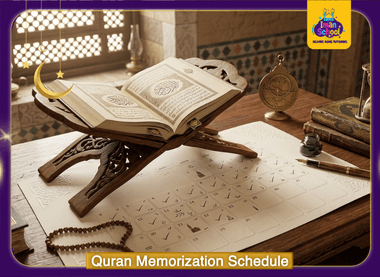
The hallmark of Iman School is our commitment to your lifestyle. We offer a flexible Quran memorization schedule and Islamic Sciences Courses that can be taken at your own pace. This flexibility ensures that you can remain a dedicated student of knowledge while excelling in your roles as a parent, spouse, or professional.
Career and Personal Benefits of Islamic Studies
While the primary reward is with Allah, Islamic Sciences Courses offer immense personal benefits. They improve your focus, discipline, and emotional intelligence. For those in counseling, education, or community service, a background in Islamic ethics and Islamic jurisprudence is a powerful asset that allows you to serve the Ummah with professional and religious excellence.
Common Mistakes to Avoid When Studying Islamic Sciences
To achieve the best results in your Islamic Sciences Courses, it is essential to approach your studies with the right mindset. Here are 10 concise points on common mistakes to avoid:
- Attempting to learn Shariah studies alone often leads to misinterpretations; always rely on a certified Quran teacher for guidance.
- The true purpose of Islamic knowledge classes is personal reform and spiritual growth, not winning debates or seeking intellectual superiority.
- Knowledge is a trust that must be practiced; ensure that your Seerah of the Prophet studies reflect in your daily character and manners.
- Islamic Sciences Courses require deep patience; never skip to advanced Islamic learning online before fully mastering the foundational basics.
- Avoid neglecting the Quran and Hadith courses, as these primary sources form the essential core evidence for all other religious sciences.
- Sporadic learning hinders long-term retention; strictly follow a structured Quran learning routine to ensure consistent intellectual progress.
- Always renew your intention (Ikhlas), ensuring your journey through Islamic studies online is dedicated solely to the sake of Allah.
- Do not study Fiqh studies in isolation from Islamic ethics, as both must work together to develop a balanced and upright Muslim personality.
- Relying entirely on translations can limit your depth; incorporate Arabic for Quranic understanding to access the original nuances of the text.
- Knowledge evaporates without constant repetition; implement a solid revision plan within your Islamic scholarship courses to solidify your learning.
The Best Online Islamic Sciences School
Embarking on Islamic Sciences Courses is a journey that transforms not just what you know, but who you are. It is the path to becoming a person of wisdom, balance, and deep spiritual connection.
At Iman School, recognized as the best online Islamic sciences school, we are dedicated to being your partners on this noble path. Our Islamic learning academy online provides the structure, the scholars, and the support you need to master the Islamic Sciences Courses from the comfort of your home in the West.