 -by
-by Understanding The Rights of a Neighbor in Islam is a fundamental duty for every Muslim striving to live out their faith sincerely. By practicing The Rights of a Neighbor in Islam, believers create peaceful, caring communities wherever they live. At Iman School, our specialized online courses help families master these practical Islamic manners with ease.
What Are the Rights of a Neighbor in Islam?
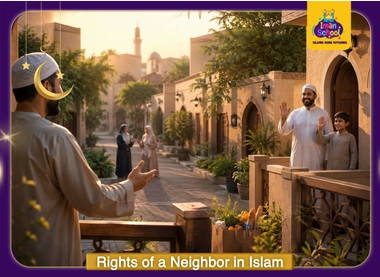
In Islamic jurisprudence and social ethics, understanding The Rights of a Neighbor in Islam involves recognizing the legal, moral, and spiritual duties we owe to those who live alongside us. The term neighbor in islam refers not only to the family living right next door, but extends to forty houses in every direction, according to classical scholars.
When studying The Rights of a Neighbor in Islam, we learn that fulfilling these obligations is an indicator of strong faith (Iman). Islamic teachings classify these responsibilities into core categories: refraining from harm, offering active help, guarding privacy, sharing provisions, and maintaining warm social relations. Evaluating rights of neighbors in islam reveals that neighborliness is not just a polite social custom, it is a sacred commandment linked directly to our worship of Allah SWT.
To truly understand how these principles shape our everyday interactions, exploring islamic teachings about neighbors helps believers turn daily encounters into continuous acts of worship. Whether you live in a bustling Western suburb or a city apartment, honoring The Rights of a Neighbor in Islam establishes a beacon of light and harmony within your neighborhood.
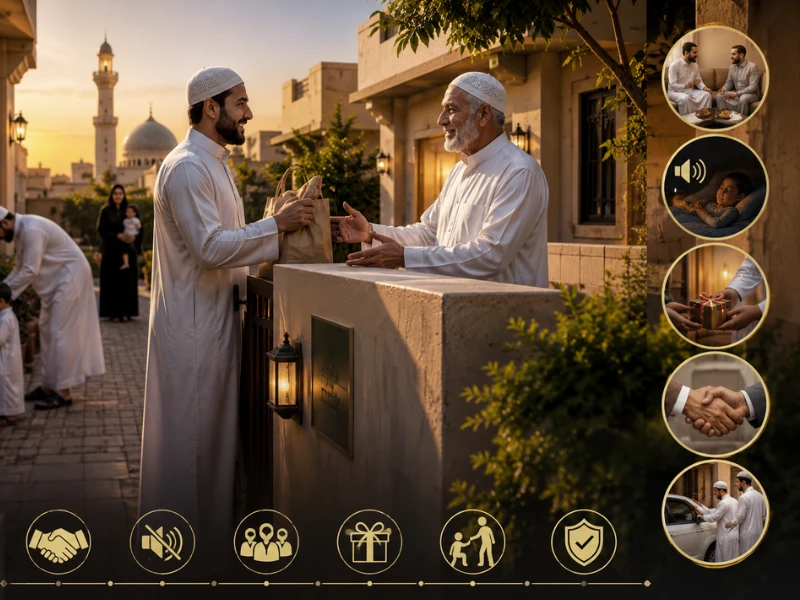
Why Does Islam Place Great Importance on Neighbors?
The divine wisdom behind prioritizing The Rights of a Neighbor in Islam lies in the preservation of social cohesion and mutual support. Islam views the community as a single body, where neighbors serve as the immediate first line of care, safety, and brotherhood.
When looking into neighbor rights in islam, we see that Angel Jibril (Gabriel) emphasized this duty to the Prophet Muhammad ﷺ so intensely that the Prophet thought neighbors would be given a share in inheritance. Understanding The Rights of a Neighbor in Islam teaches us that healthy societies are built from the ground up, starting with the immediate domestic sphere.
Furthermore, living in Western societies provides a unique opportunity to showcase authentic islamic ethics through daily actions. By fulfilling The Rights of a Neighbor in Islam, Muslims reflect the beauty of their faith to others long before engaging in verbal dialogue. If you want your children to grasp these noble values, enrolling them in a structured Islamic Studies Course builds a firm foundation in character development. If you are just starting your educational journey, joining structured Islamic Studies for Beginners allows you to grow step by step alongside Certified Islamic Scholars.
10 Rights of a Neighbor in Islam
To put these divine values into daily practice, here are 10 key principles detailing The Rights of a Neighbor in Islam that every believer should follow.
1- Treat Neighbors with Kindness
Exhibiting genuine kindness to neighbors in islam is a core spiritual metric. Greeting them with a warm smile, inquiring about their well-being, and showing sincere interest in their welfare are basic expressions of The Rights of a Neighbor in Islam.
2- Avoid Causing Harm
One of the most severe warnings in prophetic tradition involves causing distress to those nearby. Honoring The Rights of a Neighbor in Islam means ensuring your actions, such as loud noises, improper waste disposal, or parking recklessly, never disturb or annoy your neighbors.
3- Offer Help When Needed
Whether lending household tools, assisting during illness, or offering financial support to a struggling neighbor, proactive aid is central to The Rights of a Neighbor in Islam. Believers are instructed never to sleep full while their neighbor goes hungry.
4- Respect Their Privacy
Guarding their private affairs and lowering one’s gaze are essential dimensions of The Rights of a Neighbor in Islam. Never pry into your neighbor’s personal life, snoop around their property, or expose their flaws to others.
5- Share Food and Gifts
Exchanging gifts and sharing meals melts away coldness and builds lasting affection. The Prophet ﷺ specifically advised adding extra broth to soup so it could be shared next door, emphasizing Rights of a Neighbor in Islam through generous hospitality.
6- Be Patient and Forgiving
Living close to others occasionally leads to minor misunderstandings. A major aspect of Rights of a Neighbor in Islam involves practicing patience (Sabr), pardoning small mistakes, and responding to harshness with gentle manners.
7- Visit Them During Difficult Times
Showing up when a neighbor faces illness, bereavement, or sudden crisis honors Rights of a Neighbor in Islam. Offering comfort and practical help during tough moments builds unbreakable community bonds.

8- Protect Their Honor and Property
Protecting a neighbor’s reputation, home, and belongings in their absence is a sacred trust. Fulfilling Rights of a Neighbor in Islam requires standing up for their honor if others slander them and keeping an eye on their property when they travel.
9- Build Good Relationships Regardless of Faith
Islam mandates kindness and justice to all neighbors, regardless of their religious beliefs, ethnicity, or background. Applying Rights of a Neighbor in Islam equally to non-Muslim neighbors serves as a powerful, practical form of Dawah. Students exploring these social laws can choose to Learn Fiqh Online or take a foundational course in Fiqh for Beginners to understand the exact legal rulings governing neighborly interactions.
10- Follow the Example of Prophet Muhammad ﷺ
The ultimate blueprint for fulfilling Rights of a Neighbor in Islam is the sunnah of the Messenger ﷺ. Studying a comprehensive program to Learn Seerah Online shows how the Prophet ﷺ treated his neighbors, even those who mistreated him, with unprecedented gentleness and nobility. You can also Learn Hadith Online through a dedicated Hadith Course Online to analyze authentic narrations about daily conduct.
Whether your goal is to help your family embody The Rights of a Neighbor in Islam, master daily worship, or pursue a complete sacred curriculum, we cater to your household’s unique schedule. We invite you to experience our vibrant classrooms completely risk-free. Register on our official portal today to book your zero-obligation Free Trial Islamic Class, and take a confident step toward authentic knowledge with Iman School
Why Learning Islamic Manners Strengthens Faith?
Understanding the rules of worship (Ibadah) without developing outstanding character (Akhlaq) leaves a spiritual void. Realizing Rights of a Neighbor in Islam acts as a practical test for our spiritual authenticity.
Living out good manners in islam elevates a believer’s status in the sight of Allah SWT. When you study sacred texts with qualified mentors, you learn that refining your character is just as vital as perfecting your daily prayers. Incorporating Rights of a Neighbor in Islam into your daily life transforms theoretical knowledge into actionable, life-changing virtue.
Adults and youths seeking a deeper understanding of theology alongside character building will benefit greatly from an Islamic Creed Course, ensuring that outward actions are rooted in correct internal conviction. Furthermore, examining Quran Tafsir Online provides profound insights into how divine guidance commands believers to treat one another.
Why Iman School Is the Best Online Islamic Studies Academy?
If you are looking for an authentic, structured, and interactive way to master social ethics and sacred knowledge, Iman School stands out as the ultimate digital academy for Western families. We bring classical Islamic scholarship directly to your home through flexible, tailored schedules.
Our specialized faculty guides you through every facet of sacred learning, including Rights of a Neighbor in Islam. Whether you want to improve your recitation in Online Quran Classes or desire to Learn Quran Online from scratch, our academy provides a supportive, engaging atmosphere.
At Iman School, we replace cold, pre-recorded videos with dynamic, personalized one-on-one sessions. When you enroll in Online Islamic Studies with us, you interact directly with English-fluent scholars who hold traditional authorizations (Ijazahs).
FAQ About The Rights of a Neighbor in Islam
What are the rights of a neighbor in Islam?
The Rights of a Neighbor in Islam include treating them with kindness, guarding their privacy, offering help during hardships, sharing food, refraining from causing them harm, and protecting their honor and property.
What did Prophet Muhammad ﷺ say about neighbors?
The Prophet ﷺ left a famous hadith about neighbors stating: “He is not a believer whose stomach is filled while his neighbor is hungry beside him.” He also emphasized that Jibril AS advised him about The Rights of a Neighbor in Islam so frequently that he thought neighbors would receive inheritance rights.
Does Islam encourage kindness to non-Muslim neighbors?
Yes, absolutely! Islam commands Muslims to show excellence (Ihsan), fairness, and generosity to all neighbors regardless of their faith. Fulfilling The Rights of a Neighbor in Islam towards non-Muslims is a fundamental aspect of Islamic social ethics.
Why are neighbors important in Islam?
Neighbors are vital because they form the immediate foundation of community life. Prioritizing The Rights of a Neighbor in Islam creates a safe, compassionate, and harmonious environment built on mutual trust.
How can Muslims improve relationships with their neighbors?
Muslims can improve relationships by greeting neighbors warmly, sharing food, offering assistance during home projects or illness, keeping noise levels down, and actively listening to their concerns while respecting The Rights of a Neighbor in Islam.
Best Online Academy for Islamic Studies
Taking the step to deepen your sacred knowledge and practice The Rights of a Neighbor in Islam is a deeply rewarding spiritual milestone. While reading articles offers a good foundation, joining a live, structured academy ensures long-term clarity and correct understanding. At Iman School, we take pride in being recognized as the Best Online Academy for Islamic Studies for students living across Western nations.
Our modern digital portal provides flexible schedules so every family member can thrive. Through our interactive classrooms, you can build a firm foundation in sacred law and social ethics, learning how Good Manners in Islam elevate your daily life.